
Finding Market Softness in UFC Prelim Bouts
For my first two years betting UFC, I treated the early prelims as background noise – the fights that happened while I was preparing dinner, with the main card being the actual betting event. The Moneyline prices on the prelims were just bets I’d throw onto a slate-wide accumulator without much thought. The main card was where my real attention and stake size went.
Then I started tracking my actual results by card section, and the picture inverted. My prelim Moneyline bets were running at a meaningfully higher hit rate than my main card bets, and the prices were typically softer because operator models had less data and less liquidity on prelim fighters. The prelims, it turned out, were where my edge was largest. The main card was where my reads were tightest but the operator models were also tightest. This piece is about why that pattern recurs across UK operators, and how to bet accordingly.
What makes a fight “prelim” or “main card”
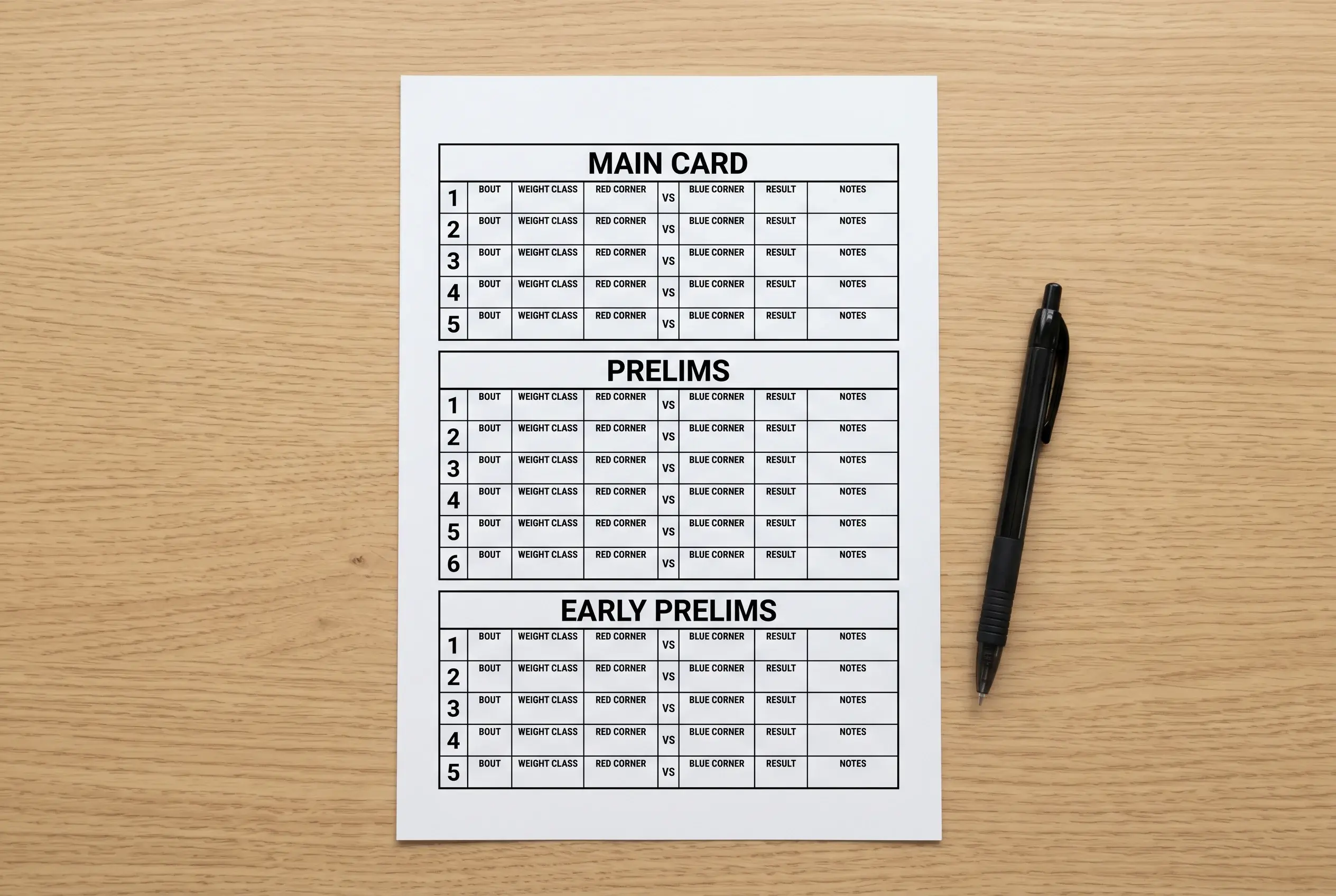
UFC cards typically include three sections. Early prelims (usually 2-3 fights, broadcast on UFC’s own platforms or partner streaming services) feature the lowest-profile fighters on the card – often UFC newcomers, returning fighters from layoffs, or matchups with limited public following. Prelims proper (usually 4 fights, broadcast on traditional TV channels or major streaming services) feature established UFC fighters with mid-tier visibility. The main card (5 fights, including the main event) features the most marketable fighters and the most consequential matchups for the divisional title pictures.
The categorisation is editorial – UFC matchmaking decides which fights belong in which section based on commercial considerations as much as sporting ones. A talented up-and-coming fighter with limited mainstream visibility might appear in the prelims; an aging star with a casual following might headline the main card despite being objectively less skilled than several prelim fighters. The labels reflect marketing, not pure athletic hierarchy.
For betting purposes, the editorial categorisation has practical consequences. Pricing liquidity, operator model sophistication, and bettor attention all vary across card sections. The variations create different betting environments within the same Saturday night card.
Why prelim pricing is softer
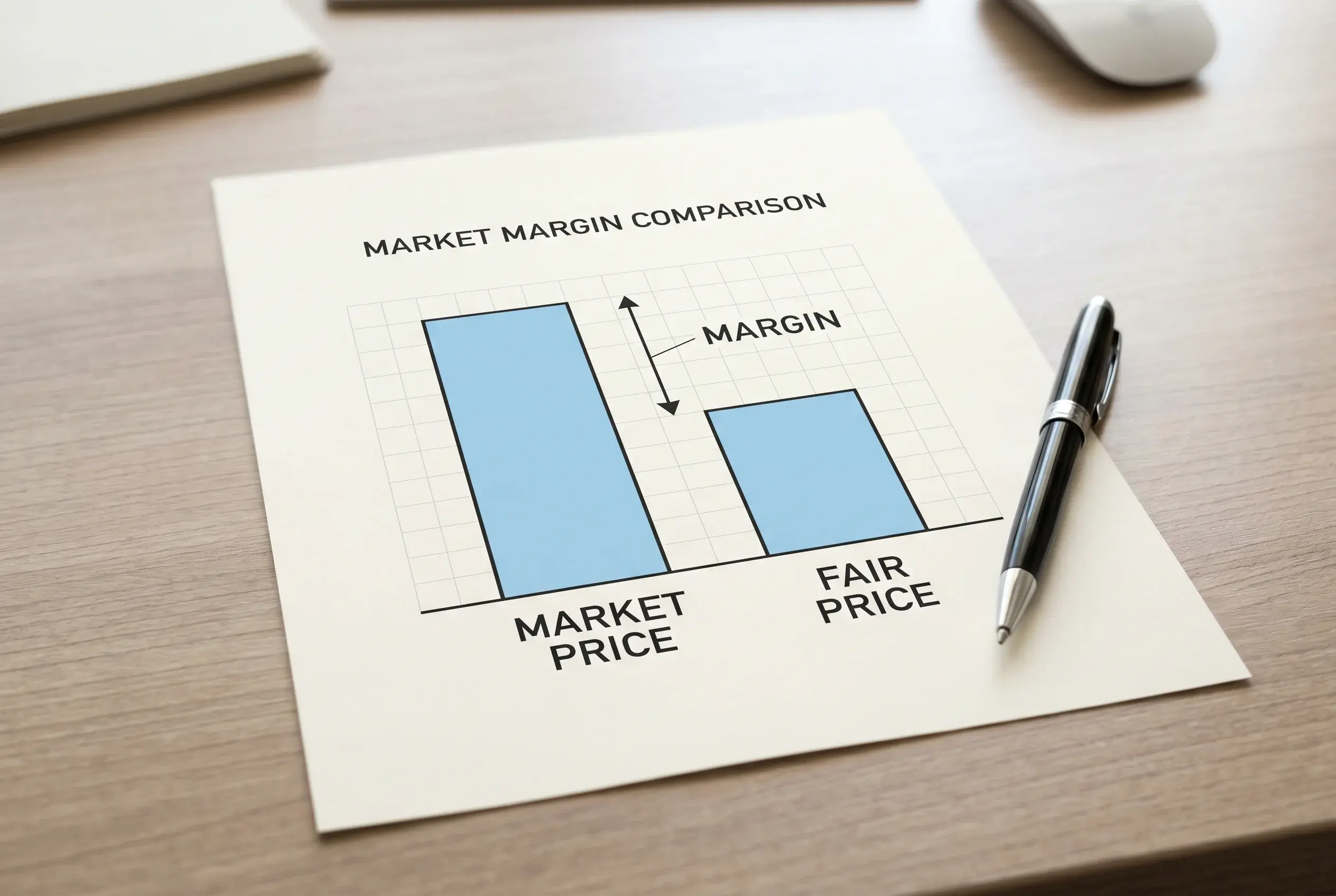
The pricing softness on prelim fights comes from three factors. First, operator models have less data on prelim fighters. A UFC newcomer with two preliminary appearances has fewer fights in the operator’s model dataset, less third-party analysis available, and weaker baseline statistics. The model’s estimate of true probability is therefore noisier, and the operator builds in wider margins to compensate.
Second, prelim fights attract less betting volume from sharp bettors, who concentrate attention on the main card. The price-discovery process – where sharp money pushes mispriced lines back toward fair value – happens faster on main card lines than on prelim lines. A prelim line that opens 5-10% off fair value may not get fully corrected until late in the day, and sometimes not at all.
Third, the absolute stake limits operators apply to prelim fights are lower. The operator’s risk team doesn’t want to absorb large bets on fights they have less data on, so they cap stakes. The lower caps reduce both sharp bettor interest and the operator’s exposure if the line is mispriced.
The combined effect is that prelim lines are more often available at meaningfully off-fair-value prices than main card lines. Bettors who put in the work to develop reads on prelim fighters can find edges that don’t exist on the main card. The trade-off is that “putting in the work” is real – prelim research is harder, the data is thinner, and the time investment per fight is similar to main card research with less broadcast attention to reward it.
Where main card edges actually exist
Main card pricing is tighter, but it’s not perfectly efficient. The main event Moneyline on a high-profile UFC card is one of the most heavily-traded lines in MMA betting and is typically priced very close to fair value across UK operators. The edges that do exist on main cards tend to be in derivative markets – method of victory, rounds, props – where the main fight pricing is well-known but the sub-market pricing has more model uncertainty.
A specific pattern: when a main event has a heavy favourite at 1/4 or shorter, the Moneyline is unbettable as value but the round and method markets often have edges because the operator has to price the specific finish patterns, not just the binary outcome. A 1/4 favourite with a track record of round-three finishes might be priced at 6/4 for “win by KO/TKO in round 3” – a price that may or may not reflect the actual conditional probability. Bettors who track conditional finishing patterns can identify where the conditional pricing diverges from realistic probability.
Another main card edge zone is the co-main event slot. The co-main is often a high-quality fight between ranked fighters that gets less public attention than the main event, but the same pricing sophistication applied to it. Sharp bettors looking for main card edges often find the co-main has more pricing inefficiency than the main event simply because public attention is unevenly distributed.
The prelim research process that actually works
Building reads on prelim fighters requires different sources than main card research. Mainstream MMA media covers prelim fighters lightly, so the bettor has to go to primary sources. Regional MMA promotions are the main feeder for UFC newcomers – Cage Warriors in Europe, Contender Series in the US, regional Asian promotions feeding into ONE – and fight footage from these promotions is the cleanest source on what a UFC newcomer actually does in the cage.
The specific things to track: how the fighter performs in their second and third round, whether they’re cut-resistant or cut-prone, whether their wrestling translates from regional opposition to UFC-level wrestling, and whether their power has been demonstrated against opposition with credible chin durability. Regional finishes against opponents who’d never been finished before mean more than regional finishes against opponents who’d been finished four times prior.
The time investment is real – building a meaningful read on a UFC newcomer typically takes 60-90 minutes of fight-tape viewing plus context research. Across a full prelim card of unfamiliar fighters, the total research investment can be 4-6 hours. The return on that investment, for bettors who do it well, has historically been worthwhile – prelim edge plays have produced some of the highest-percentage-return bets in my multi-year tracking.
The pricing window across the day
Prelim pricing opens earlier in the week than main card pricing typically does. By Wednesday or Thursday, most UK operators have prelim lines up for Saturday’s card. Main card lines may have been up since the previous weekend, while prelim lines might be 24-48 hours newer when they first appear.
The first 24 hours after a prelim line opens is when the price is most likely to be off fair value. The operator’s opening line is essentially a model output with limited bettor feedback yet. Sharp bettors who notice the opening line is mispriced bet it quickly, and the operator’s risk team adjusts. By Saturday morning, most prelim lines have moved to or near their final pre-fight position. The window for catching the opening mispricing is narrow.
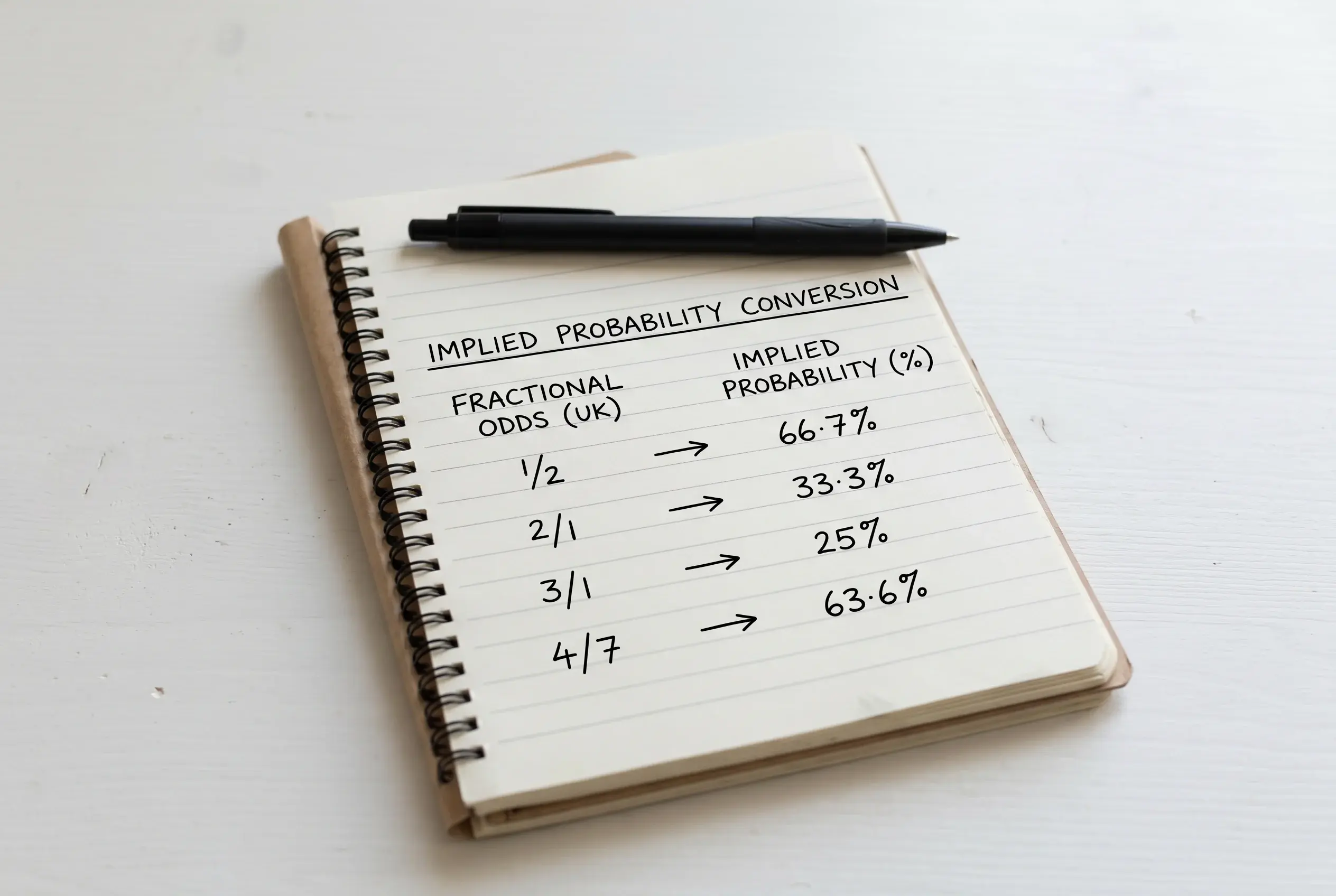
The market behaviour pattern that I’ve seen repeatedly: a prelim opens at -150 American odds (around 4/6 fractional). Sharp money over the next 24 hours pushes it to -180 (around 4/9). By fight day the line is -190 to -200. The fighter wins, the price was correct, but the value was in catching it at -150 on opening, not at the closing price. Bettors waiting until Saturday morning to bet are getting prices that have already corrected.
What the operator stake limits look like across sections
UK operators’ published stake limits typically scale with the card section. Main event Moneyline limits at major books are often in the £5,000-£10,000 range for recreational accounts. Main card non-main-event limits run £2,000-£5,000. Prelim limits run £500-£2,000. Early prelim limits sometimes drop to £200-£500.
The scaling reflects operator risk appetite, not bettor risk appetite. The operator knows main event Moneylines have the deepest model precision and the most hedging liquidity; prelims have less of both. Lower limits on prelims protect the operator from being hit by an informed bettor on a line the model hasn’t fully calibrated.
For bettors with smaller bankrolls, the lower prelim limits are essentially irrelevant. £500 is well above typical recreational stake size at any reasonable bankroll level. For sharp bettors trying to load up on identified edges, the lower limits can be a binding constraint – and the workaround of placing the same bet at multiple operators applies even more on prelims than on main cards.
The prelim performance bonus angle
Performance bonuses ($50,000 each, two Performance of the Night awards and one Fight of the Night award split between the two fighters in the chosen bout) are awarded across the entire card, not just the main card. Prelim fighters who deliver spectacular finishes win the same $50,000 awards as main card fighters who do.
This creates a specific betting angle on prelim performance bonus markets, where they’re offered. Operator pricing for “Fighter X to win Performance of the Night” typically reflects fighter prominence – main card fighters are priced shorter than prelim fighters because public perception assigns the bonuses to higher-profile names. The actual award decisions are made by UFC officials, and they regularly award performance bonuses to prelim fighters who deliver standout performances on cards where the main card was less spectacular.
The angle: prelim fighters with finishing-heavy profiles fighting in matchups likely to produce finishes are systematically underpriced in performance bonus markets when those markets exist. The edge is small but real, and exploiting it requires reading both the fighter’s profile and the card’s expected finishing distribution.
The bottom-line approach to card-section betting
The approach that’s worked for me is to invert the standard bettor’s attention allocation. I do more research per fight on the prelims than on the main card, because the prelims are where my edge is largest and the main card is where my edge is smallest. The main card gets bet only when I have specific reads that the operator pricing hasn’t captured – derivative market angles, condition-of-fighter reads from weigh-ins, panel-specific judging reads. The prelims get bet whenever the line-up is right and the fighters are within my research circle.
This approach is the opposite of how most recreational UK bettors structure their attention. The main event is where the cultural energy is; the prelims are where the value is. Recognising that the two don’t align is the structural insight that prelim-focused betting depends on. The bettors who systematically extract value from UFC cards do it by giving the prelims the research time the main card seems to demand. The same logic applies at a card-level rather than just at the section level – Fight Night and PPV cards have different value patterns that reward similar selective attention.