

UFC Performance Bonuses and Prop Market Adjustments
Dana White once said that his goal was to open the sport everywhere – and one of the quieter mechanisms making that happen is the post-fight bonus structure. The UFC pays $50,000 (sometimes more) at the end of every card to the fighters whose performances stood out. Two Performance of the Night awards, one Fight of the Night award, occasionally a Knockout of the Night or Submission of the Night as a separate honour. The money is a real incentive: fighters chase finishes partly because finishes get rewarded with bonuses worth a meaningful chunk of their disclosed purse.
That bonus structure has spawned a whole sub-genre of betting markets on UK sportsbooks. You can bet on which fighter wins a Performance of the Night award. You can bet on whether a specific bout wins Fight of the Night. You can bet on card-wide outcomes – any submission to be awarded a bonus, the main event to win Fight of the Night, the number of bonuses awarded on the night. These markets are deeper than they look and they reward punters who understand how the UFC actually distributes bonuses, which often surprises newer bettors.
This piece covers what the markets are, how the books price them, why card-wide specials sometimes offer better value than single-fight props, and the grading mechanics that occasionally create disputes. Approach this section as a special-occasion market rather than a daily driver – performance bonus props pay well but they’re not designed for high-volume betting.
What UFC performance bonuses actually are
The UFC announces post-fight bonuses at every numbered event and most Fight Night cards. The standard structure: two Performance of the Night awards (POTN) for the best individual performances, and one Fight of the Night award (FOTN) given to both fighters in a single bout for the best back-and-forth contest. Each award is worth $50,000, paid directly to the fighter.
Some cards see additional bonuses awarded – a separate Knockout of the Night or Submission of the Night when the matchmaker wants to recognise an outstanding finish that didn’t otherwise fit into the POTN allocation. These extra bonuses are at the matchmaker’s discretion and don’t appear on every card. UK sportsbook markets sometimes acknowledge this discretion with separate sub-markets for “any submission to be awarded a bonus” or “any KO to be awarded a bonus” rather than requiring punters to predict the specific named award.
The criteria for what wins a bonus are deliberately fuzzy. The UFC doesn’t publish a scoring rubric. Awards go to fights and performances that are deemed memorable, exciting or technically excellent by Dana White and the matchmaking team after the card concludes. The fuzziness is the point – it lets the company reward the moments that drew the crowd’s reaction, regardless of how a more mechanical scoring system would evaluate them.
This creates a betting market that’s part performance prediction, part subjective-judgement prediction. You’re betting on what UFC executives will decide felt impressive, not on a measurable outcome. The fuzziness creates pricing dispersion across books.
How UK sportsbooks price bonus props
The market for Performance of the Night winners on a card typically lists every fighter on the card with an individual price, plus an option for “no UFC bonuses awarded” on cards where that’s offered. The favourites for POTN are usually heavy-handed strikers in marquee positions on the main card – fighters who are both likely to finish and likely to do so spectacularly.
The trader’s model for a POTN price is a multiplication of three probabilities: how likely is this fighter to win, how likely is their win to be a finish, and how likely is the finish to be the most spectacular performance of the night. The third factor is the soft one – it gets estimated from card depth (how many other finishers are scheduled), positioning (main event finishes win POTN more often than prelim finishes of similar quality), and the fighter’s history of bonus-worthy moments.
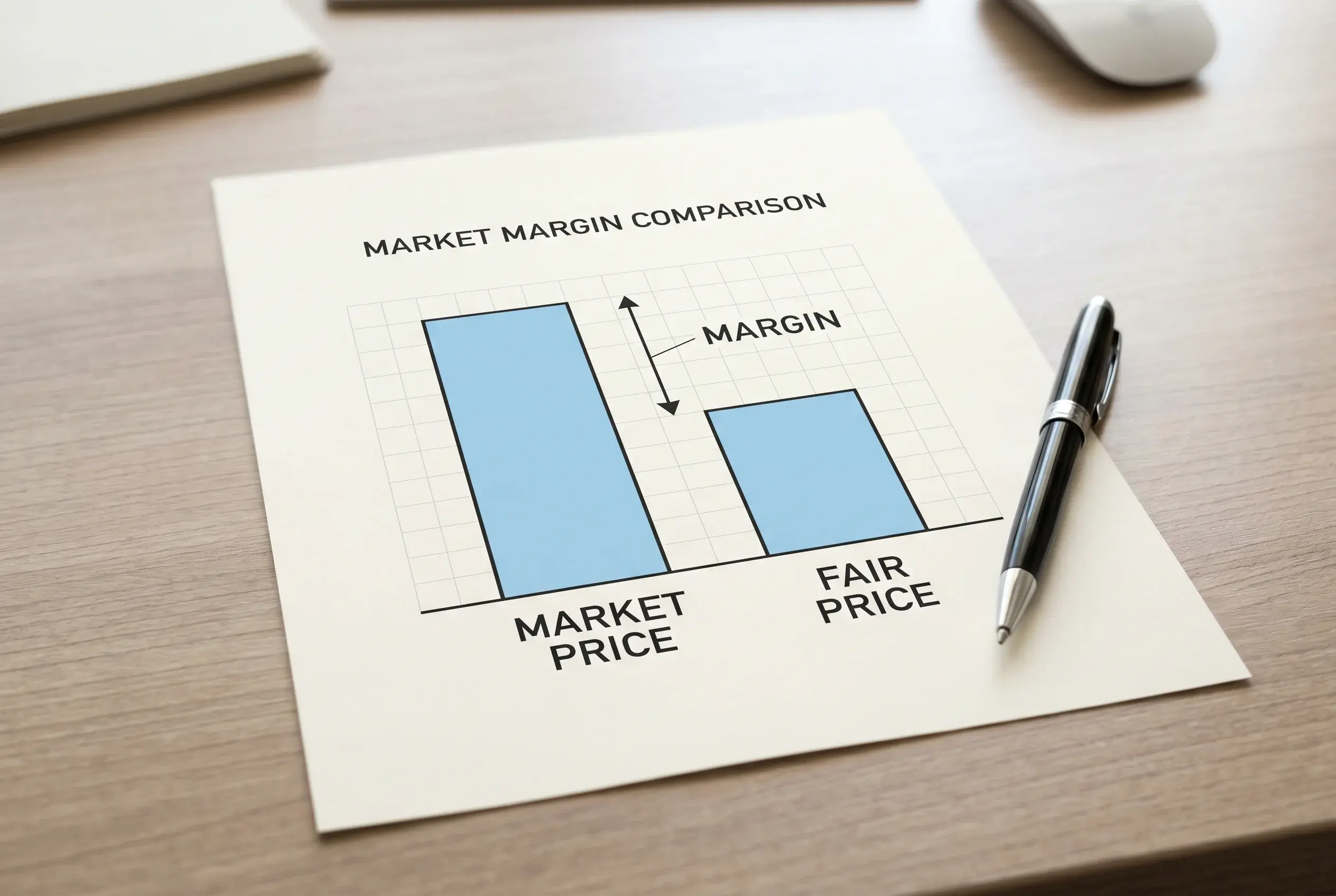
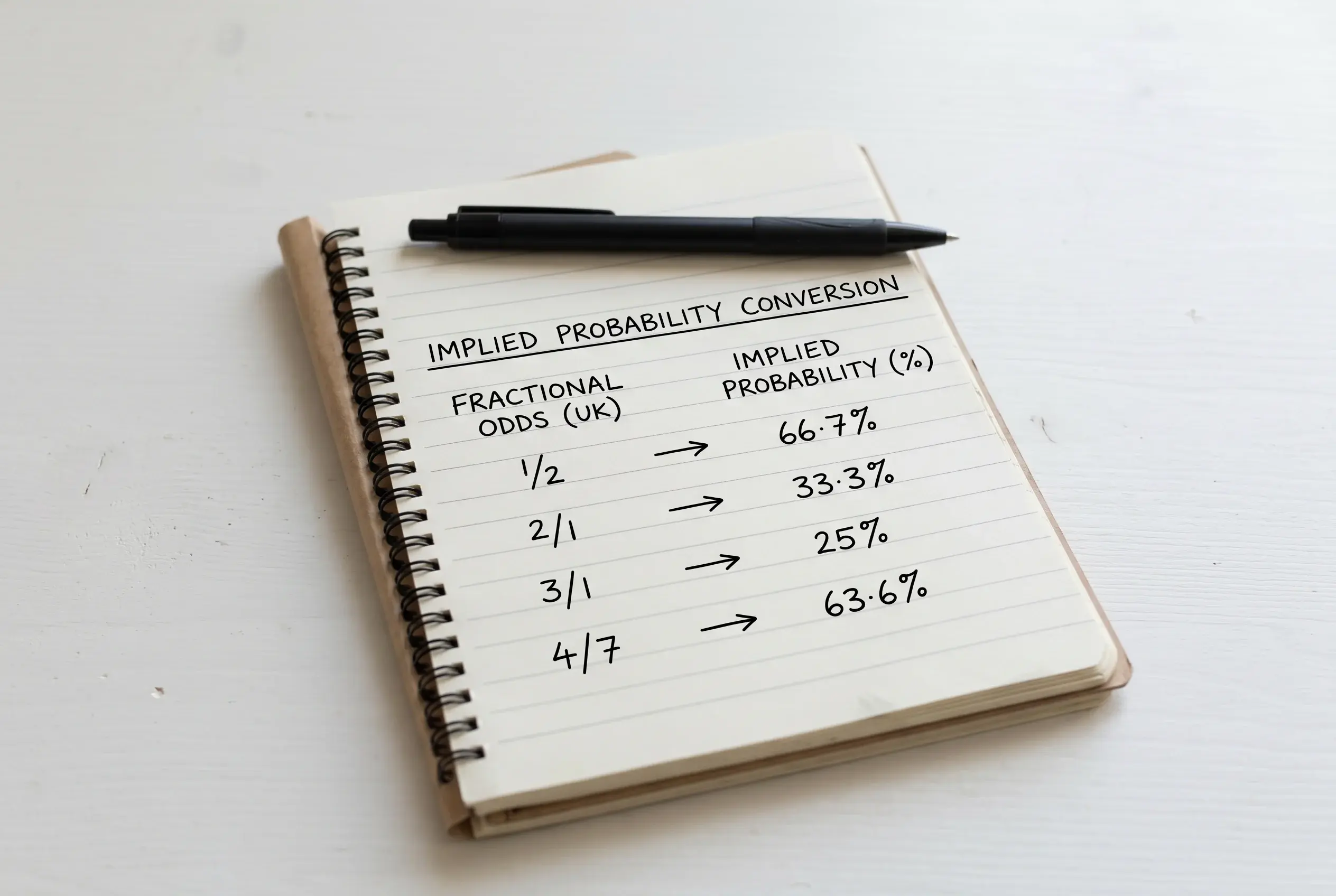
Prices on POTN markets typically range from 5/1 on heavy main-event favourite finishers to 50/1 or longer on prelim fighters who’d need to produce an outlier performance and also have it stand against the rest of the card. The total implied probability across all selections often exceeds 100% by 15-20% – bonus markets carry larger overrounds than core fight markets because the books are pricing genuinely uncertain outcomes.
Fight of the Night props are typically priced on a per-bout basis: each bout on the card gets a price for “to win FOTN”. The favourites are usually three-round contests featuring two known strikers in roughly even matchups – the formula for bonus-winning fights is exchange, comeback and grit, not lopsided finishes. Five-round main events sometimes price favourites for FOTN, but the long history shows that FOTN goes to mid-card three-rounders more often than headline title fights, because title fights tend to be cautious in the early rounds.
Card-wide specials: the under-appreciated part of the market
The card-wide special markets are where the more interesting bets often sit, and they’re frequently under-bet by retail money that piles into single-fighter POTN selections.
Total bonuses awarded over/under. The UFC awards a standard set of bonuses on most cards – typically four total ($100k for POTN twice, $50k for each fighter in FOTN). Some cards see more if the matchmaker adds extras. UK books offer over/under markets on the total number of bonuses, usually with the line at 4.5 or 5.5. Backing Over typically depends on a card with multiple highlight-reel finishes; Under depends on a card with cautious matchups or dominant decisions.
Any submission to win a bonus. This pays out if a submission on the card is awarded a POTN or named Submission of the Night. It’s worth understanding because submission bonuses are rarer than KO bonuses – Dana White historically rewards spectacular knockouts more freely than slick submissions. The implied probability for “any submission gets a bonus” sits lower than “any KO gets a bonus” even on cards with multiple grappling-heavy matchups.
Main event to win FOTN. This is a popular card-wide special because the main event is in front of the most viewers and the matchmaker is incentivised to reward it. Historically, though, main events win FOTN less than half the time – title fights skew cautious, championship rounds produce dominant performances rather than exchanges, and the bonus often goes to a more thrilling earlier bout. The price on “main event wins FOTN” looks short relative to the actual hit rate.
One thing to mention is the 2024 favourite-win rate of 72% across UFC – when favourites are winning at that rate, the dispersion of card outcomes becomes more predictable and bonus markets become easier to model. On chalk-heavy cards the bonus pool tends to concentrate on a smaller number of fighters because most other fights end on the cards rather than producing finishes.
Knockout of the Night versus Fight of the Night
Worth digging into the distinction between KO-related bonuses and FOTN because the markets sometimes treat them as overlapping when they shouldn’t.
A Knockout of the Night, when awarded as a named bonus separate from POTN, recognises a single finishing strike or combination as spectacular. The fighter who delivered the KO gets the bonus. This is, in betting terms, a single-fighter market. On UK sportsbooks it’s usually listed as one of the per-fighter POTN options (“Fighter X by KO of the Night”) or as a card-wide “any fighter wins KO of the Night”.
A Fight of the Night, by contrast, is a bout-level award. Both fighters in the bout get $50,000 each. It rewards the contest as a whole, not the individual performance. Backing a fight for FOTN is therefore a different bet entirely from backing a fighter for POTN – even though both might hinge on a thrilling finish.
The interplay matters because some cards produce a fight that wins both POTN (for the winner’s individual performance) and FOTN (for the bout’s overall quality). When this happens, separate bets on the two markets can both win – they’re not mutually exclusive. Some UK books offer parlay opportunities here that look like obvious value but reflect realistic outcomes: backing the same fight for FOTN and one fighter for POTN at correlated prices.
Grading windows and the dispute zone
Performance bonus markets settle based on the official UFC announcement after the card. That announcement usually happens within 24 hours of the event ending, and the books grade off it directly. This creates a peculiar grading window where the fight is over but the bet isn’t settled – punters can know that a fighter won a spectacular KO but still wait overnight to confirm whether the UFC named it POTN.
The disputed grading scenarios cluster in two areas. First: when the UFC awards a non-standard bonus. If Dana White decides to give a $50,000 bonus to a winner whose performance doesn’t fit cleanly into POTN or FOTN – sometimes it happens, an executive call rewarding a moment that fell outside the standard categories – UK sportsbooks have to decide whether to settle bets on the named POTN markets on that fighter as winners. The standard answer is no: if the bonus wasn’t labelled POTN by the UFC, the POTN bet doesn’t win. But operator rules vary and a few books are more generous in their interpretation.
Second: when the UFC awards extra bonuses beyond the four expected. A card with two POTN, one FOTN and an additional Submission of the Night creates a settled list of five bonus winners. Over/under markets on bonuses awarded need to count these consistently – and books occasionally disagree on whether discretionary additions count toward the over-under line. Reading the operator’s specific bonus market rules before staking is worth doing if you’re betting card-wide specials. Once you start comparing how different operators price the same bonus markets, you’re effectively doing what every serious punter does on the core fight markets too – UFC line shopping is the discipline of holding multiple accounts so you always take the better price.