
Fast Execution and One-Tap UFC Mobile Betting Features
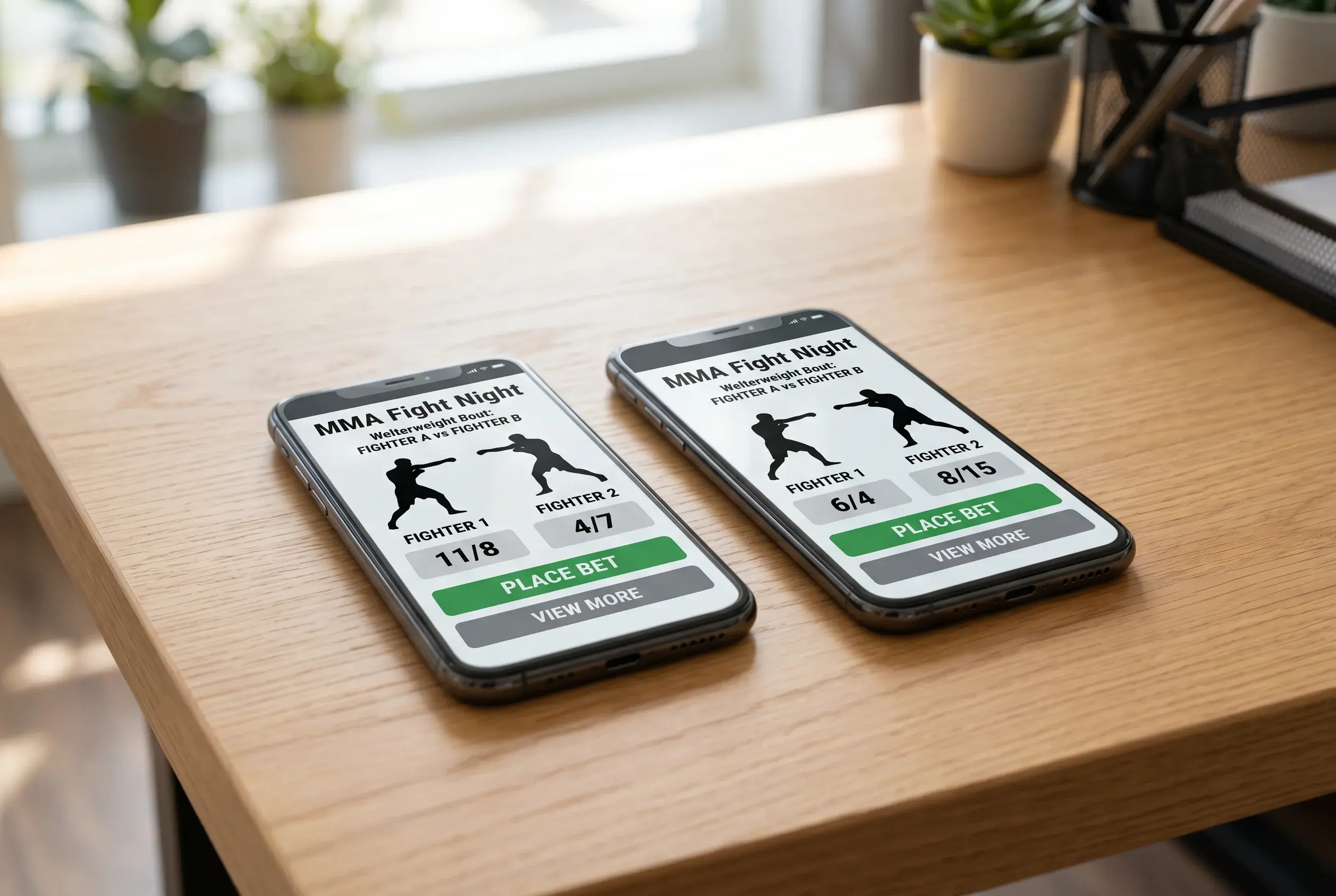
The most important development in UK UFC betting over the past five years isn’t a regulatory change or a market innovation – it’s that almost nobody bets on UFC from a desktop anymore. The sportsbook account that used to be opened in a browser tab during a fight is now an app on a phone that’s already unlocked and ready when the prelim card starts. The bet that used to take 60 seconds to enter, including filling in the stake field and confirming, now takes about four seconds with a saved stake and a single confirmation tap. The friction is gone, and that change has rewired how UFC betting actually works.
I’m not making a moral point about this. The friction reduction has obvious benefits: line shopping is easier, in-play opportunities are easier to catch, account management is more visible than it was on legacy desktop sites. But the behavioural effects of low-friction betting are real, and bettors who don’t understand them end up making decisions they wouldn’t have made with even the small barrier of a desktop login. The apps shape the betting in ways the operators understand better than the bettors do.
This piece walks through the actual differences between mobile and desktop UFC betting, what the apps do well and what they do too well, the in-play and bet-builder features that exist primarily on mobile, and how the 2025 regulatory changes affect what UK operators can and can’t do in their apps. The headline observation is that mobile is now the default channel for UFC betting in the UK and the dynamics of mobile betting deserve specific attention.
What mobile apps do better than desktop
Start with the genuine wins. Mobile apps have improved several aspects of UFC betting compared to the desktop experience that came before.
Speed of access is the obvious one. Opening an app and tapping into the UFC section takes seconds. Opening a desktop browser, navigating to a sportsbook, logging in, and reaching the UFC market takes meaningfully longer. For bettors who want to place a quick bet on a fight that’s already started, the speed difference is the difference between catching the bet and missing it.
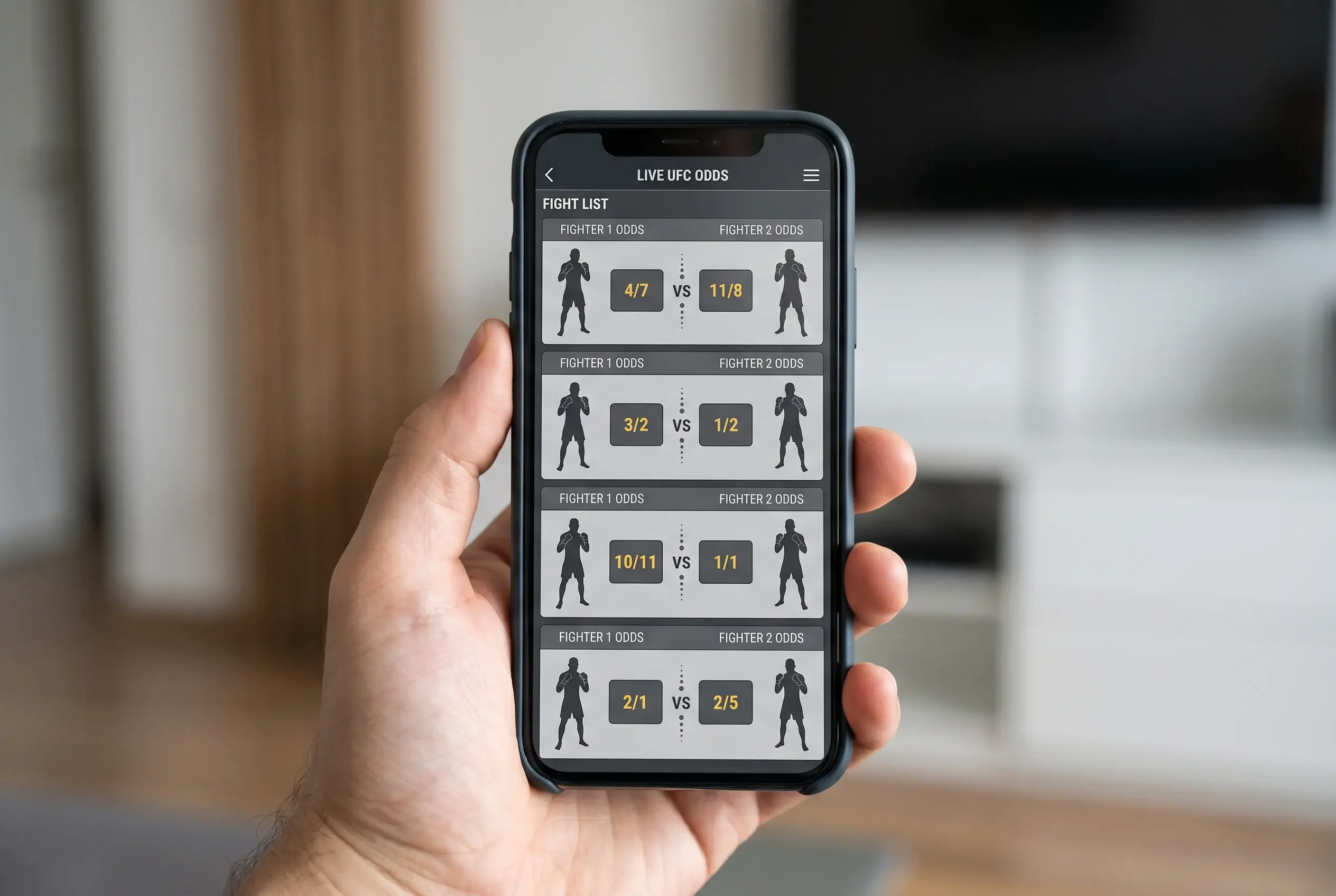
Line shopping efficiency has improved with mobile. Modern apps let bettors switch between sportsbook apps in seconds, which makes comparing prices across multiple operators faster than it was on desktop. Push notifications for relevant events – line moves, card start times, in-play markets opening, weigh-in news – are opt-in and granular, and for bettors who want to track specific fighters or specific cards, the notifications eliminate the need to actively check throughout the week.
Account management transparency has also improved. Mobile app account dashboards present clearer summaries of recent bets, current balance, deposit history, and active limits than legacy desktop sites did. The 2025 RTS update made this transparency mandatory, but most UK operator apps had already moved in this direction because the mobile UX rewards clarity over feature density.
What mobile apps do too well: speed against you
The flip side of speed-of-access is speed-of-impulse. The same workflow that lets you catch a price you like also lets you place bets you’d have reconsidered with even five seconds of friction.
The four-second bet. A saved stake amount, a one-tap selection, a confirmation tap – and the bet is placed. The whole sequence can happen between rounds without conscious deliberation. This works well when the bet is one you’d already decided to place; it works badly when the bet is one driven by the emotional state of the fight you’re watching.
Tilt betting. The classic problem is the bet placed immediately after a loss – chasing the previous loss with a new wager that wouldn’t have happened on its own merits. Desktop betting had enough friction that the bet often didn’t survive the login process. Mobile betting has so little friction that the bet often happens before the bettor has finished thinking about whether to place it. The 2025 RTS prompts (more on these below) are designed partly to reintroduce a beat of consideration that the mobile UX otherwise removes.
Live in-play piling. UFC bouts produce moments of high tension – a fighter just dropped, a knockdown that didn’t quite end the fight, a finish that nearly happened. The in-play market repricing during these moments creates strong urges to bet right now on the next development. Mobile apps make this trivially easy, and the bets placed in these moments are systematically worse than bets placed during a quieter pre-fight workflow.
The behavioural research on mobile gambling apps is reasonably clear: low-friction betting produces higher session frequency, higher per-session stakes, and higher prevalence of bets that the bettor afterward characterises as impulsive. None of which is unique to UFC, but UFC’s high-emotion live moments amplify the pattern.
In-play features that exist mostly on mobile
Several UFC betting features are now mobile-exclusive or mobile-primary in the UK market, because the trading desks built them assuming mobile-first usage.
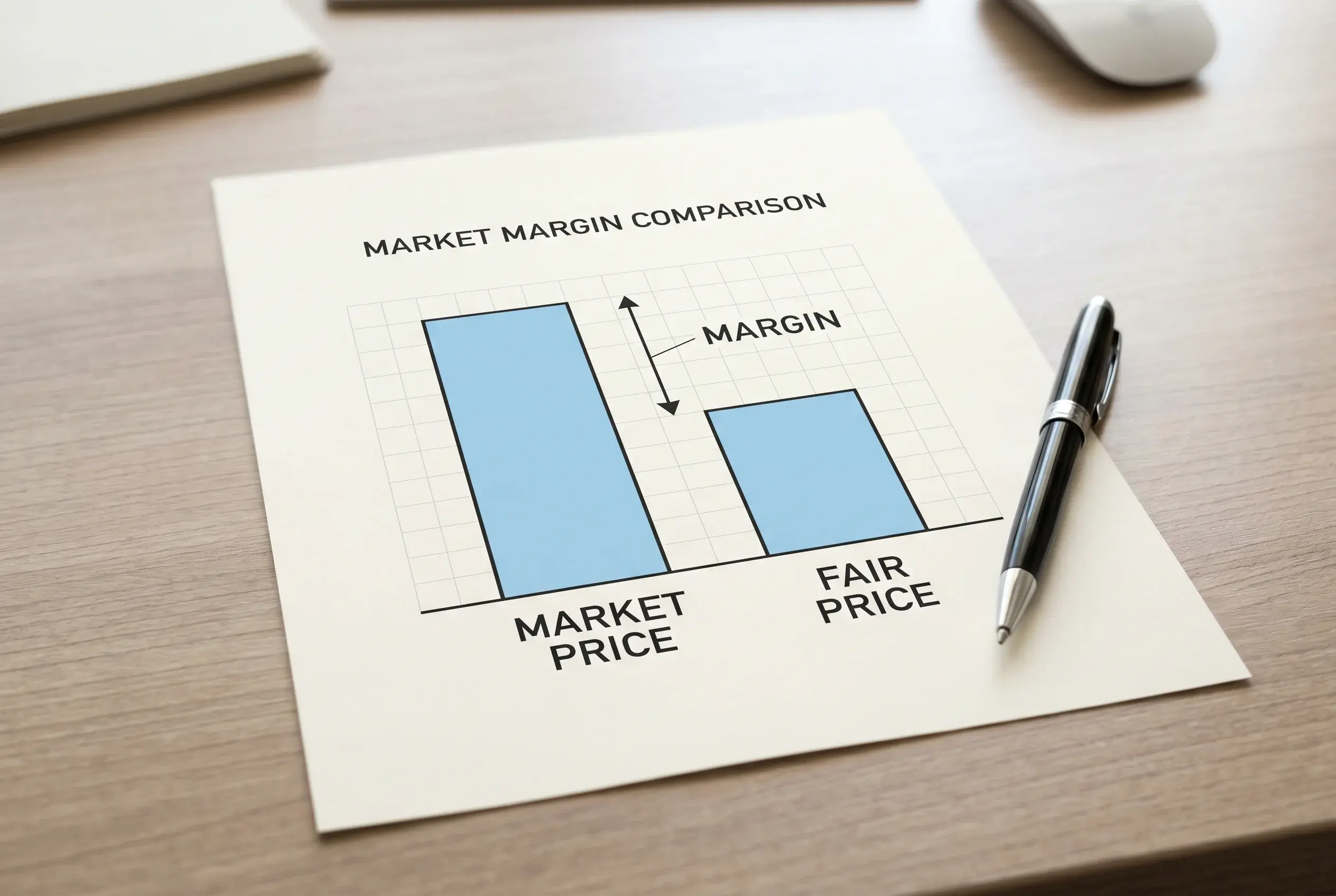
Live cash-out optimisation exists on desktop too, but mobile apps integrate it more tightly with the live fight stream and live odds, presenting cash-out offers in real time at every change of fight state. Bettors can accept a cash-out offer with two taps without leaving the fight-tracking view. The prices the books offer reflect the increased engagement – they’re typically slightly worse than the “fair” cash-out price would be, because the books know mobile users accept more readily.
Bet builders with live updates are another mobile-first feature. Mobile builders update odds in real time as the fight progresses, letting you see how the price on a pre-built builder evolves as each round plays out. Quick-bet templates with one-tap stake amounts are common; this is convenient if you’ve already decided what to back, dangerous if you tap before you’ve decided. Round-by-round live markets between rounds – who wins the next round, will there be a finish, total significant strikes – surface prominently on mobile because the between-round window is the time of peak attention.
How the 2025 reforms changed UK mobile betting
The UK regulatory changes through 2025 had specific implications for mobile UFC betting that bettors should know about because they affect everyday use of the apps.
The October 2025 RTS update required mobile apps to prompt users to set deposit limits during onboarding, not just to make limits available in settings. New UFC bettors signing up since November 2025 have been presented with a limit-setting dialogue before completing registration – they can skip it, but the prompt has to appear. The aim is to capture the moment of cool consideration before any betting begins, and embed a sensible default.
The marketing consent changes from May 2025 affect mobile UFC notifications specifically. Operators can only send marketing push notifications (UFC promotional offers, free bet promotions, enhanced odds alerts) to bettors who have explicitly consented to receive them. The implementation in apps is typically a toggle in notification settings – and the toggle is now off by default for new accounts. Existing bettors with marketing consent already enabled continue to receive notifications until they opt out.
Financial vulnerability checks from February 2025 are integrated into the mobile app experience. The light-touch credit-reference data check happens silently in the background; bettors usually don’t notice it. The enhanced checks, when triggered, surface as in-app notifications requiring document upload. Mobile apps make the document upload process easier than desktop did (camera capture of bank statements rather than scanning), but the trigger thresholds for enhanced checks haven’t changed.
Stake limits for younger adults from May 2025 affect the slots side of operator products rather than UFC betting directly, but mobile apps that offer both products now enforce stricter onboarding to confirm the user’s age band. UFC bettors aged 18-24 may notice additional verification steps when accessing slot products, but the UFC betting experience itself is unaffected.
The dark patterns that exist in some apps and the protections that constrain them
Some mobile betting apps employ design patterns that nudge users toward more betting than they’d otherwise do, and the UK regulatory framework places real constraints on the most aggressive of these but doesn’t eliminate them entirely.
Saved stake amounts that escalate. Some apps quietly track the highest stake a user has placed and suggest that amount as the default for subsequent bets. The pattern subtly nudges users toward consistent stakes at their high-water mark rather than their average. UKGC standards now require default stake amounts be either user-selected or set to a sensible low baseline, but implementation varies.
Persistent confirmation bypasses. Many apps offer “quick bet” modes that skip the confirmation step for bets below a chosen threshold. The default threshold is sometimes higher than is comfortable for impulse-prone bettors. Setting your confirmation threshold to a low number – or disabling quick bet entirely – preserves the moment of consideration that the friction was designed to create.
Notification timing around major cards. Operators send the most marketing push notifications in the 48 hours before major UFC cards, typically scheduled to maximise engagement. Turning off notifications during fight week is one practical defence against notification-driven engagement.
App-specific responsible gambling features worth using
The complement to the dark patterns is the set of explicitly protective features mobile apps now include. Most are off by default and worth turning on if you want the structural support.
Biometric authentication for high-value bets. Many UK apps offer fingerprint or face authentication for individual bets above a chosen threshold. The default is usually £50-£100; lowering it to £20 or £10 introduces friction at every meaningful stake and interrupts impulsive large bets. Cool-off from within the bet flow is another worthwhile feature – several apps now offer “take a break” buttons embedded into the betting flow during fight week, letting you cool off without navigating to settings.
Bet history filters let you filter by sport, market, date range, or outcome. Filtering UFC-only bets gives you a clean view of how your UFC betting specifically is going, which is often different from the picture across all sports. The 2025 transparency reforms made this filtering standard across operators.
The platform differences across iOS and Android that affect UFC bettors
The same UK sportsbook app sometimes behaves differently on iOS than on Android, and the differences matter for some bettors. App Store restrictions on iOS have historically been tighter on gambling apps than Play Store equivalents – some UK operators offer slightly different feature sets on iOS than Android because Apple’s review process required adjustments. The differences are usually cosmetic but can affect things like push notification frequency and certain bet-builder UI elements.
For UFC bettors specifically, the most meaningful platform difference is biometric authentication implementation. iOS Face ID typically requires explicit re-authentication for each high-value bet, while Android sometimes allows session-level authentication that covers multiple bets within a window. Knowing which model your phone uses affects how the friction interacts with your betting flow.
The tax treatment of UFC winnings in the UK doesn’t depend on platform, app, or operator – UK gambling winnings have a specific status under tax law that applies regardless of where or how the bet was placed. How UK tax law treats UFC betting winnings covers the specifics of HMRC’s approach and what UK residents need (and don’t need) to declare.