
Mathematical Value vs Risk Management in Cash Outs
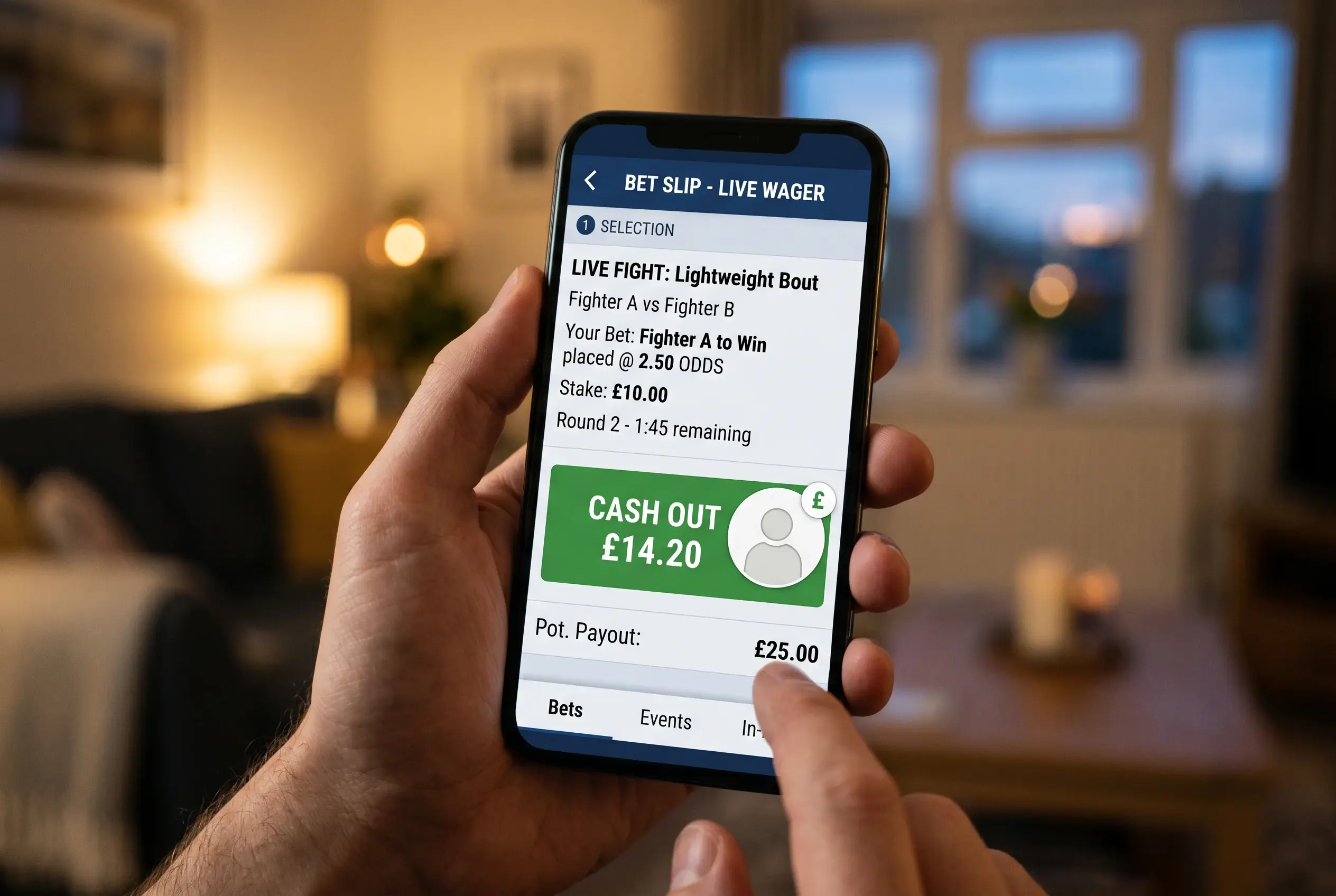
I once watched a Moneyline bet of mine sail through the first two rounds in dominant fashion, with my fighter outlanding his opponent by something like 90 strikes to 30 across the first ten minutes. The cash out offer at the start of round three was 75% of my potential return. I clicked it. The fight ended in round three by KO – for my guy – and I’d left a third of my payout on the table for the comfort of knowing I’d won.
That bet taught me something I hadn’t really internalised about UFC cash out: the feature is excellent at making you feel calmer about a bet that’s going well, and excellent at extracting expected value from you in exchange. Sometimes that trade is worth it. Often it isn’t. Knowing which is which is most of what this piece is about.
How cash out is priced
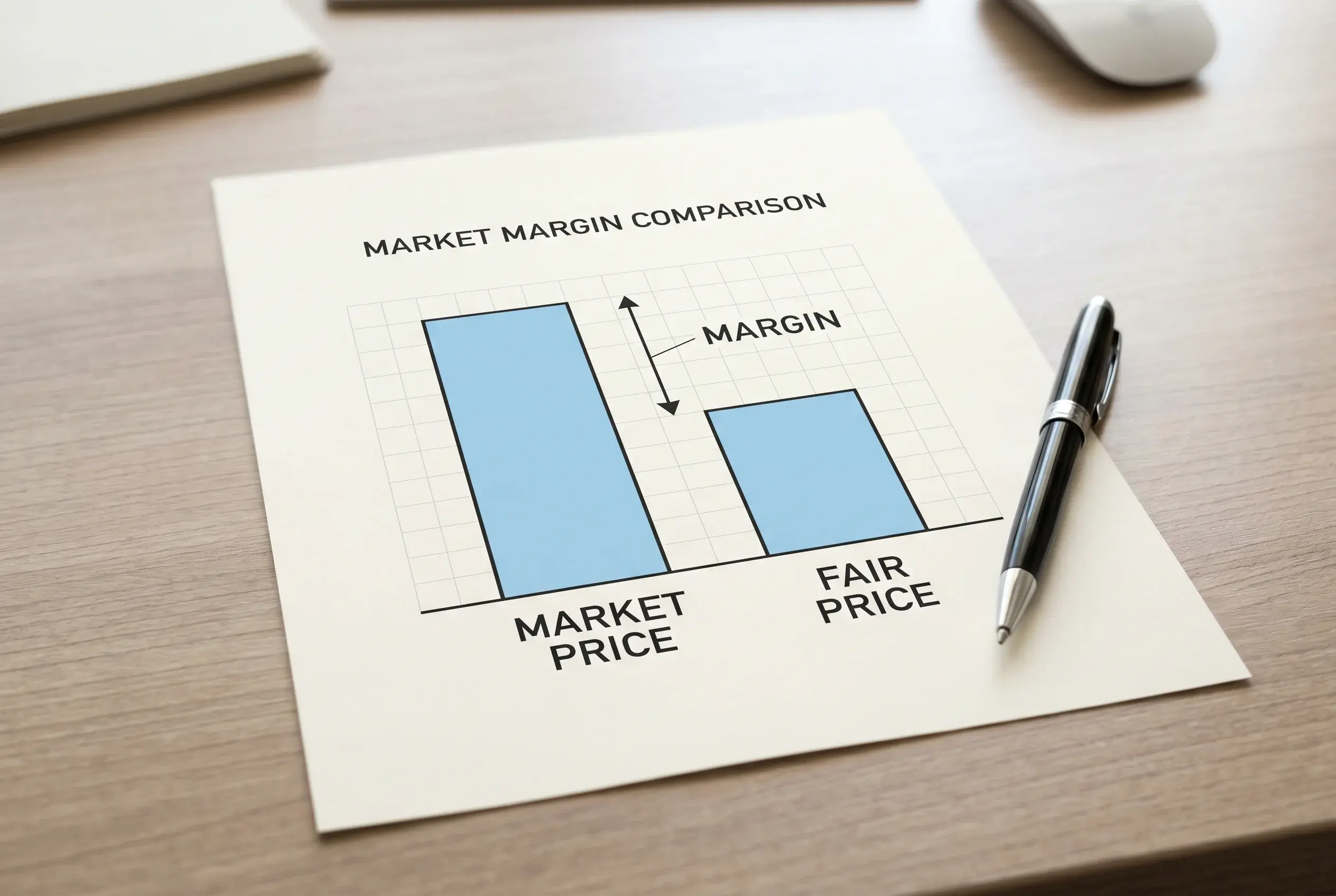
The cash out value an operator offers you partway through a bet is not a fair-value calculation. It’s the operator’s current estimate of your bet’s worth, minus a margin. That margin is the operator’s profit on the cash out transaction – it’s how the feature pays for itself on the operator’s side.
The mechanics work like this. The operator’s risk team tracks live odds on your selection throughout the fight. As your fighter wins exchanges, scores takedowns, lands significant strikes, the live Moneyline price on your selection shortens. The operator calculates what your original stake would be worth at the current live price – that’s the “fair” cash out value – and then offers you something a bit less than that figure as the cash out.
The discount applied varies by operator and by market. On UFC main event Moneylines during a live broadcast, the discount applied to most UK operators’ cash out offers is typically 4-7% below the fair value implied by live odds. On in-play parlays and bet builders the discount is wider, often 10-15%, because the operator has more model uncertainty to absorb.
The implication is straightforward. Cash out is never an even trade. You’re paying the operator a margin to convert your bet to cash before resolution. Whether that’s worth doing depends on what you’d do with the cash, what your read on the remaining fight is, and how much variance you’re willing to absorb.
The three situations where cash out is genuinely sensible
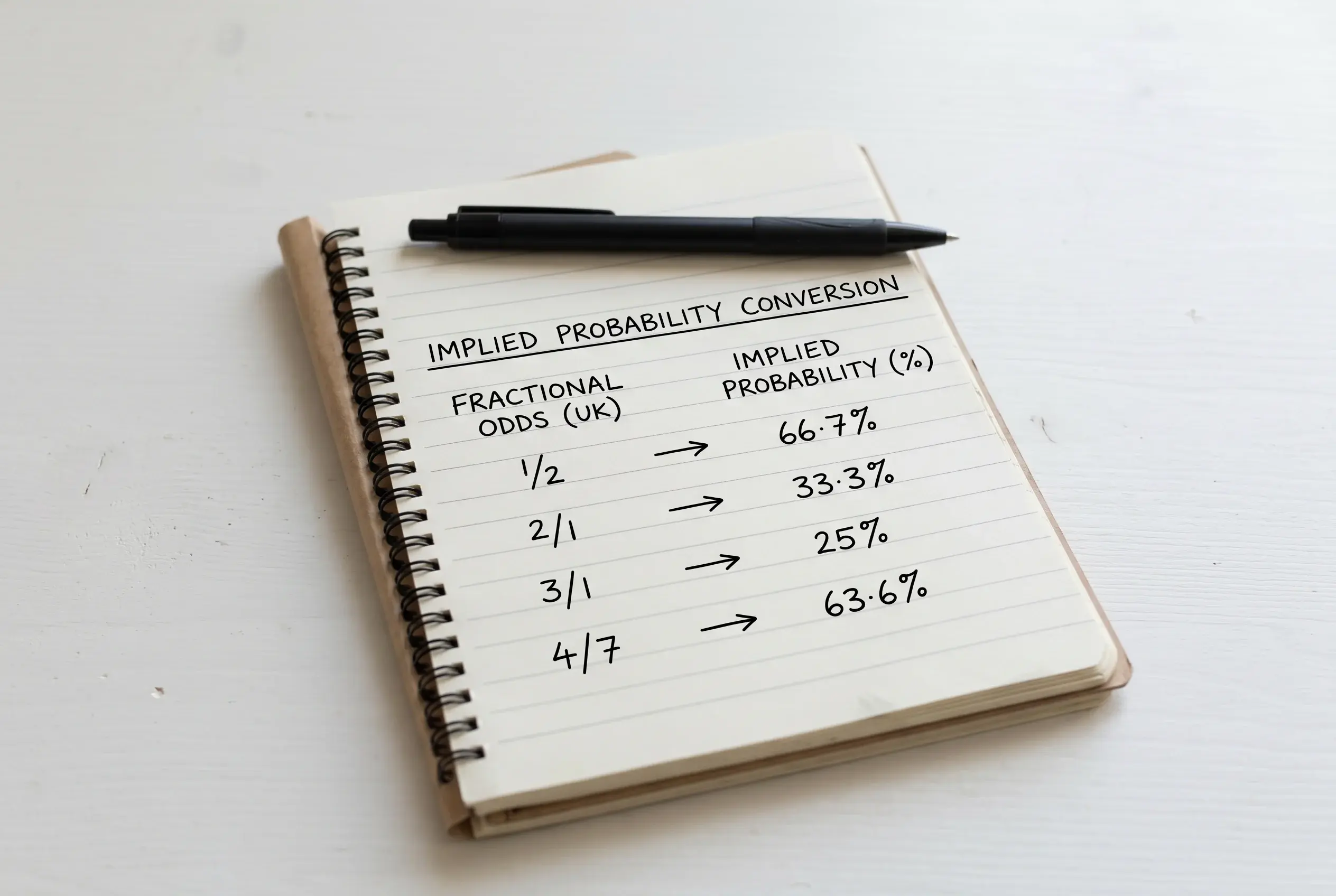
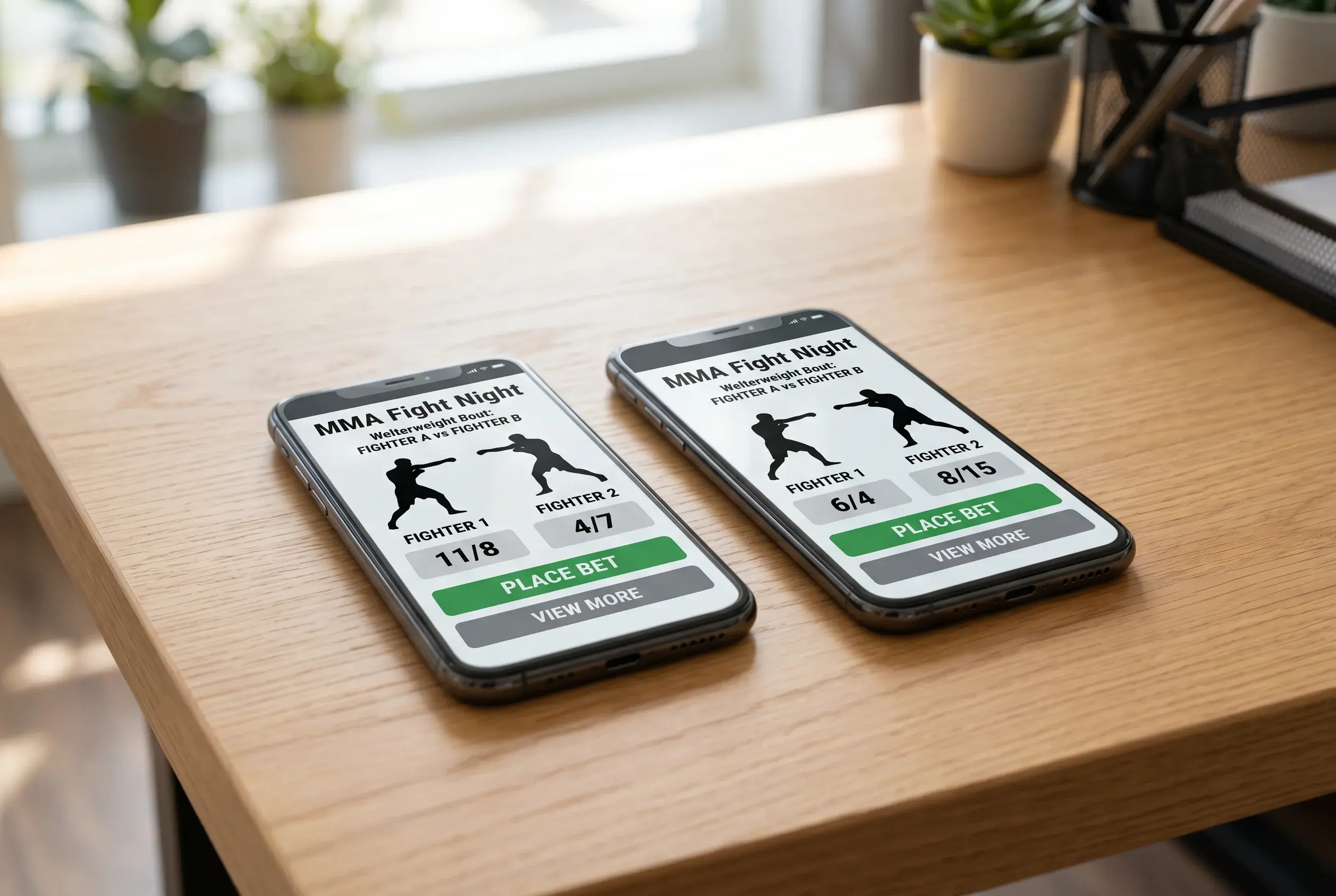
The first is when your read on the remaining fight has changed. You bet Fighter A pre-fight at 5/4 because you thought his takedown defence would carry the day. He’s been wrestled to the mat three times in the first round, the takedown defence has clearly failed, and you’ve revised your probability of him winning downward from 56% to 35%. The operator’s cash out offer might still reflect 40-45% – because the live model hasn’t fully integrated your read – but the live Moneyline has shortened. Taking cash out at the offered figure converts a bet you no longer believe in into a smaller but more certain return.
The second is when bankroll constraints make the variance unmanageable. A bet that represents 8% of your bankroll feels enormous when you placed it; a cash out at 60% of potential return that leaves you with no exposure in the remaining rounds may be the right call psychologically even if it’s mildly -EV financially. The cost of the cash out margin is the price of sleep, not the price of optimal betting.
The third is when the cash out offer is genuinely mispriced. Operators don’t always update live models in real time. Sometimes a fighter takes a serious shot, the broadcast hasn’t reacted, and the cash out offer is still based on a model that hasn’t recognised the shift in implied probability. Sharp bettors who watch fights closely will sometimes see cash out offers that exceed what live-odds maths would suggest is fair. Taking those offers is a legitimate edge play. The window is usually very short – model updates catch up within seconds – but the offers exist.
When cash out is the worst possible decision
The default mistake is taking cash out on a bet that’s going well, on a fight where your original read hasn’t been disproven. You bet Fighter A at 5/4. She’s won round one decisively, has clearly hurt her opponent, and is the lighter, faster fighter in a matchup that favours her finishing the fight. Your original read is being validated, not disproven. The live Moneyline on Fighter A has dropped from 5/4 to 4/9. The cash out offer represents 65% of your potential return.
Taking that cash out is locking in a 6-7% margin payment to the operator for the privilege of feeling certain about a bet whose live probability has just gone from 44% to about 70%. You believed in the bet at 44%. The actual current probability is 70%. The 6-7% margin you’re paying is being charged on top of an outcome that’s now meaningfully more likely than the price you bet at. The expected value of holding the bet through to resolution is higher than the expected value of cashing out.
This is the cash out pattern that’s most profitable for operators – selling certainty on bets that have become more likely, not less. The customer feels they’ve locked in a win. The operator has effectively bought their original bet back at a discount and is now selling the residual probability to the rest of the market at the new live price.
Partial cash out and the maths it changes
Some UK operators offer partial cash out – taking some of the bet off the table while leaving a residual stake in play. The maths is essentially two separate decisions. The portion you cash out is priced at the same operator-margin discount as a full cash out would be. The portion you leave in continues at the original odds, with the same potential return per pound of remaining stake.
The case for partial cash out is mostly emotional, not financial. The portion you take in cash carries the operator’s margin cost. The portion you leave in carries the same expected value (positive or negative) as the original bet. The net effect on expected return is negative – you’ve paid a margin on part of your stake without changing the underlying expected value of the rest.
What partial cash out does deliver is a different variance profile. The remaining exposure is smaller, so the absolute size of the swing on the rest of the fight is reduced. For bettors managing psychological exposure to a particular bet, that variance reduction can be worth the margin cost. For bettors purely optimising expected return, partial cash out is rarely the right tool.
UFC cash out on parlays and bet builders
Cash out on combined bets is a different proposition from cash out on singles. The operator’s risk team has to value a partially completed correlated bet in real time – some legs already resolved one way, some still in play. The model uncertainty is higher, and the margin built into the cash out offer reflects that.
The practical numbers are wider. A three-leg UFC bet builder where the first two legs have effectively resolved in your favour – Fighter A is winning and the fight has gone past 1.5 rounds – but the third leg (over 2.5 rounds) is still in question, will typically be offered at a cash out value that bakes in 10-12% margin over the fair joint probability of the remaining leg. The operator is genuinely uncertain about the joint probability of the remaining outcome and prices that uncertainty in.
The same maths means that cash out on parlays with multiple legs still outstanding is usually very poor value relative to holding. Each leg’s outstanding probability is being discounted, and the margins compound. If you’re holding a four-leg UFC accumulator where one leg has won and three are still in play, the cash out offer will represent meaningfully less than the fair value of the three remaining legs. The operator is hedging risk, and the hedge is being charged to you.
Auto cash out and the trigger settings that change everything
Auto cash out lets you set a target return – “cash this bet out if and when the offered value reaches £X” – and the slip exits automatically when the trigger is hit. The mechanic looks like a hands-off optimisation tool. In practice it’s a variance management tool with the same margin economics as manual cash out, applied at a moment you’ve pre-selected rather than chosen in the moment.
The setting that matters is the target. Setting auto cash out at a level the offer will only reach if the bet goes very well – say, 90% of potential return – means the trigger fires only in the late rounds of a bet you’re winning convincingly. That’s the same “taking certainty on a bet that’s become more likely” pattern as manual cash out at the same point. Setting auto cash out at a level the offer reaches early – say, 30% of potential return – means the trigger fires almost as soon as your bet has any positive movement, locking in a small gain on a bet that still has most of its probability mass ahead of it.
Neither extreme is automatically wrong, but the choice should be driven by what you’re trying to do. If you’re managing bankroll variance and a partial early exit is acceptable, low-trigger auto cash out makes sense. If you’re trying to maximise expected return on a strong-read bet, no cash out trigger usually beats any cash out trigger.
How UKGC and operator practice have evolved around cash out
Cash out as a feature is largely an operator-driven product, but the marketing of cash out has been touched by the broader 2025 UKGC rule changes. The May 2025 marketing consent updates apply to push communications about cash out offers – “your bet is now available to cash out at £X” notifications – in the same way they apply to other promotional pushes. Customers who haven’t given consent for in-play marketing through specific channels no longer receive cash out alerts through those channels.
Operators have also tightened their own internal practices around cash out following the wider 2025 affordability and financial-vulnerability framework. Cash out offers on accounts flagged for financial vulnerability checks tend to be more conservative – closer to fair value rather than wider-margin – to reduce the appearance of operator profit-taking on bets placed by customers undergoing affordability review. The change is internal practice rather than published policy, but the pattern is consistent across the larger UK books. To put the cash out decision in the wider context of in-play decision-making, live UFC betting in-round changes how all these mechanics behave.