
Sportsbook Grading Disputes on No Contest Results
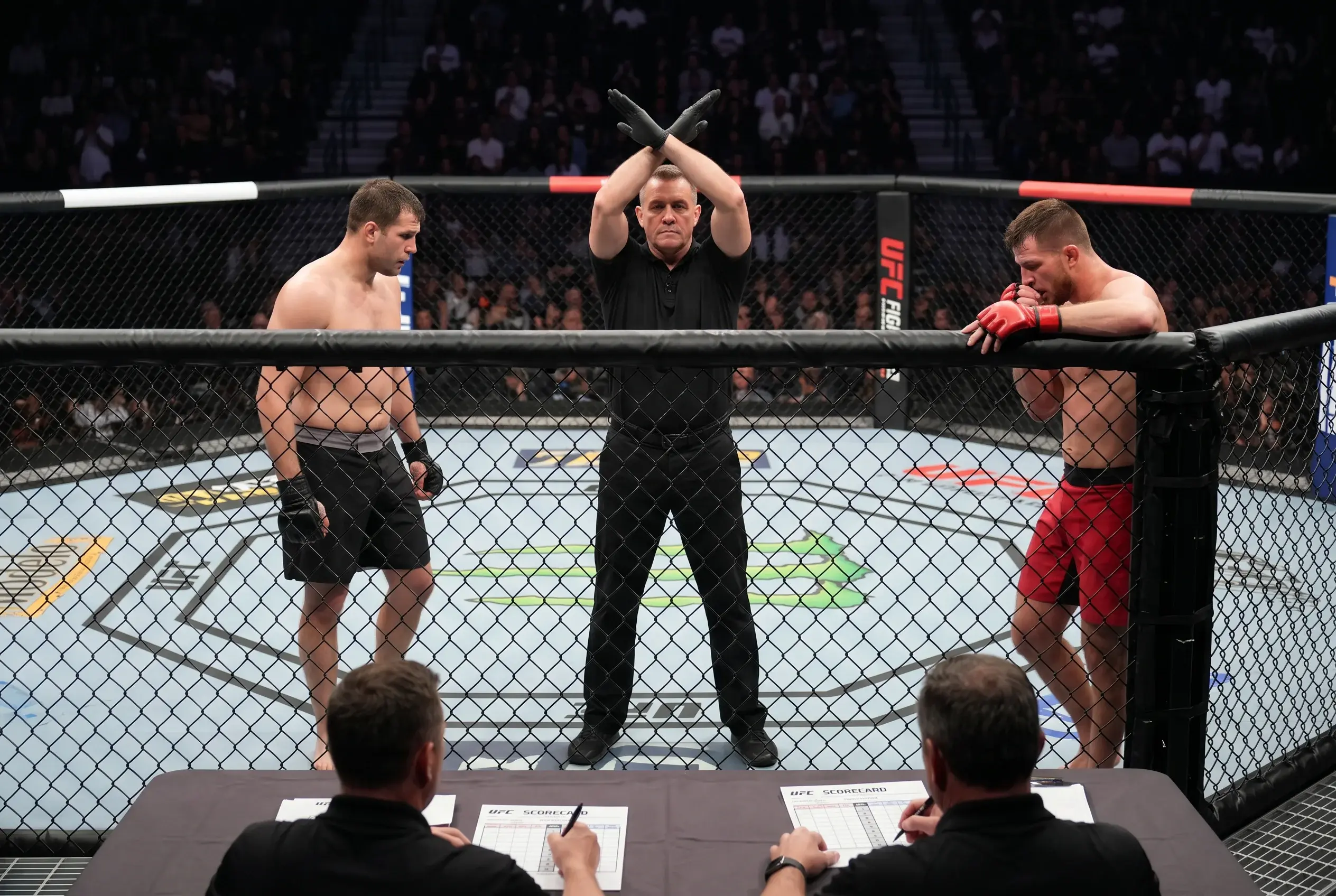
UFC 321 in October 2025 produced a moment that turned into one of the most-discussed grading scenarios in recent memory. The Aspinall-Gane heavyweight title fight ended in a No Contest after Aspinall was poked in the eye early in the bout, unable to continue. Tom Aspinall himself addressed it afterward with characteristic plainness: he cared about the heavyweight title, that was all he’d ever been bothered about, and he was just relieved he could fight again. Bettors with action on the bout cared about something different. They cared about what happens to a Method of Victory bet, a round-betting bet, a Goes the Distance bet, when the official ruling is “no contest” rather than a definitive winner. The answer varies more than people assume, and the rules matter.
No Contests and Draws are the two outcomes UFC bettors most often grade incorrectly in their heads when placing wagers. Both feel like edge cases, both come up rarely enough that bettors don’t remember the rules between encounters, and both produce settlement decisions that often differ from what the bettor expected. The frustration when a bet that “felt like it should have won” voids instead is real, and the only defence is knowing the rules before you stake.
This piece walks through how UK sportsbooks settle the two main scenarios: bouts ruled No Contest because of an illegal action or unintentional injury, and bouts that go to the scorecards and produce a Draw verdict. The rules differ market by market – Moneyline, Method of Victory, round betting, totals, props each have their own grading logic – and the differences matter when staking.
What a No Contest actually is and when it happens
A No Contest is an official commission ruling that the bout had no winner and no loser, despite being interrupted before its natural conclusion. The ruling typically applies when an in-bout event makes it impossible to fairly determine a result.
The most common cause is an unintentional foul that causes a stoppage. An eye poke, a low blow, a clash of heads, a fence grab that creates a finishing position – when one of these illegal actions ends a bout prematurely, the commission has to decide whether the foul was intentional. If unintentional, the bout is typically ruled a No Contest. If intentional, a disqualification (DQ) may apply instead, with the offending fighter ruled the loser.
The second cause is a fighter unable to continue from an injury sustained outside the legal action of the bout – a knee that gave out without contact, a slip that produced an injury the opponent didn’t cause, or a mid-bout medical issue. When the cause isn’t attributable to either fighter, the No Contest ruling protects both sides. The third cause is a positive drug test result after the bout, which can overturn a win to a No Contest weeks or months after the fact. UK betting markets typically grade the bet on the original result and don’t retroactively re-grade. The fourth and rarest cause is a bout abandoned partway through for external reasons.
The default grading rule: void on No Contest
The starting point for UK sportsbook grading on a No Contest is the void treatment. Most markets settle as void and stakes return. The reasoning is that the bout didn’t produce a clean outcome, so the bet can’t be graded as a win or a loss.
Moneyline bets void by default – neither fighter won; the bet has no settlement basis; stakes return. This applies regardless of which fighter you backed and regardless of how close the bout came to a finish. Method of Victory bets void by default because the method the bout would have ended in if uninterrupted is unknown, and the foul-related stoppage isn’t a MoV category.
Round betting voids by default. The round in which a finish would have arrived is unknown, and the foul-related stoppage doesn’t count as a finish for grading purposes. The Round 1 finish bet doesn’t win even if the No Contest happened in Round 1. Total rounds and Goes the Distance also typically void. The bout didn’t reach its natural conclusion, so the duration question can’t be settled fairly.
Prop markets vary by specific prop. Performance bonus markets typically void because the bonus structure is affected by the No Contest. Method-specific props void for the same reason as Method of Victory. Time-based props (fight to last X minutes) void because the bout’s natural duration is unknown.
The exception across all these markets is when the No Contest happens late enough in the bout that the markets can be reasonably graded based on what had already occurred. Some operators offer this treatment on round betting, where a stoppage in Round 3 might grade Round 1 and Round 2 bets as having already missed while Round 3 and Goes the Distance bets void. The treatment is operator-specific and rare.
The accumulator treatment for No Contest legs
Accumulator and bet-builder slips containing a No Contest leg get treated similarly to withdrawal voids. The affected leg voids; the rest of the slip continues at recalculated odds.
This is bettor-friendly because it protects the other legs of the accumulator from being killed by an event neither you nor the book could control. If you’d built a six-leg slip including the Aspinall-Gane bout in October 2025, the No Contest would void that leg and recalculate the remaining five-leg accumulator at the multiplied odds. Whether the slip wins or loses depends on the other five legs.
Same-fight bet builders containing a No Contest typically void in full. All the legs of a same-fight builder relate to the same bout that didn’t conclude; voiding the entire builder is the consistent treatment. Stakes return.
Multi-fight bet builders vary by operator. Some grade them like accumulators (void the affected leg, recalculate); others grade them like single bets (void the entire builder). Reading the specific operator’s terms before placing multi-fight builders matters more than it might seem.
The Draw verdict and what it does to Moneyline bets
A Draw is different from a No Contest. The Draw is a definitive judges’ verdict on a bout that reached the scorecards – three judges scored the fight, and the aggregate produced a tied result. The bout had a regulated ending; the ending just happened to be that neither fighter won.
UFC Draws come in several forms. Unanimous Draws are when all three judges score the bout even. Majority Draws are when two judges score the bout even and one judge scores it for a fighter. Split Draws are when one judge scores it for each fighter and the third judge scores it even. All three categories are graded the same by UK sportsbooks: as Draws.
The grading on Moneyline bets when a Draw verdict is returned depends on whether the book offers a three-way market or a two-way market. Three-way Moneylines list Fighter A, Fighter B, and Draw as three separate selections. If a Draw is the result, only the Draw selection wins; both fighter selections lose. The Moneyline bet you placed on Fighter A loses outright if the verdict is a Draw.
Two-way Moneylines list only the two fighters; the Draw outcome typically voids both selections and returns stakes. Most UK books offer the two-way version as the default Moneyline because Draws are rare enough in UFC that listing the Draw as a separate selection would inflate the overround unnecessarily. The two-way version is more bettor-friendly because a Draw doesn’t lose your bet – it just returns the stake.
How Method of Victory grades on a Draw
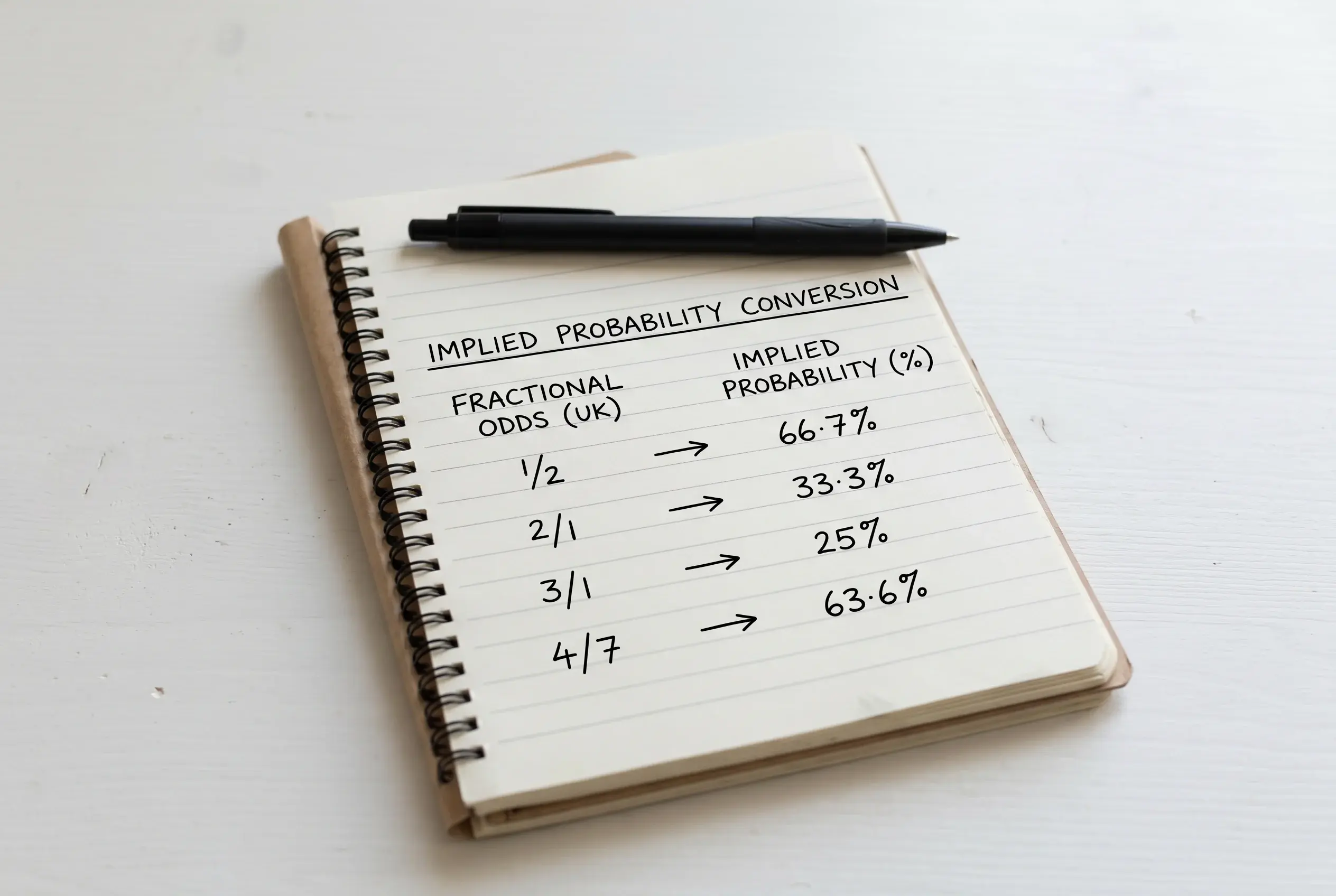
The Method of Victory market technically includes a Draw selection on most UK sportsbooks. The implied probability on Draw is rarely above 2%, and the price reflects that – typically 30/1 or longer.
If the bout returns a Draw, the Draw selection in the MoV market wins. All other MoV selections lose, including KO/TKO and Decision bets for both fighters. The grading is mechanical: the official verdict was Draw, that’s the MoV outcome.
The edge case is when a MoV market doesn’t list Draw as a selection. A few operators present MoV with only the four standard options (KO/TKO and Decision for each fighter), reasoning that Draws are rare enough not to warrant a fifth selection. On these books, a Draw verdict typically voids all MoV bets and returns stakes – the actual outcome wasn’t among the selections you could have backed.
Method of Victory Double Chance markets also handle Draws explicitly. The standard Double Chance combinations (KO-or-Decision, Submission-or-Decision, KO-or-Submission) all lose on a Draw verdict because Draw isn’t part of either combined option. This is worth knowing because the Double Chance markets feel like safety-net bets, but a Draw verdict can still kill them.
Round betting and totals grading on a Draw
Round betting markets typically grade as Draw on the round betting equivalent. Most UK books list “Decision (Goes the Distance)” as a selection on round betting, and a Draw verdict – which by definition required reaching the scorecards – settles this selection as a winner. The grading is identical to a unanimous decision because the bout reached the same point: the final bell with judges deciding.
A few operators distinguish between “Decision” and “Draw” as separate selections on round betting. On these books, the Decision selection loses on a Draw verdict, and a separate “Bout is a Draw” selection (priced at long odds) wins. This treatment is rare and worth checking on your operator’s market layout before betting.
Total rounds markets grade Draws the same as unanimous decisions. The bout reached the scorecards, so it reached the full scheduled distance, so any Over selection above the half-round line that the bout reached settles as a winner. Over 2.5 wins, Over 1.5 wins, Under selections lose. The Draw outcome doesn’t affect the round-by-round grading – the bout just reached the cards.
Goes the Distance Yes wins on a Draw verdict. The bout reached the official end of the final scheduled round and was decided by the judges, even if the decision was that neither fighter won. The Distance Yes bet pays out the same as it would on a unanimous decision.
Why grading transparency matters and where to find it
The single most valuable habit a UFC bettor can build around No Contest and Draw grading is reading the operator’s specific rules before placing the bet. Every UK sportsbook publishes its sport-specific betting rules in a section that’s usually buried but not hidden – typically under “Help”, “Rules”, or “Bet Settlement”.
The MMA section of an operator’s rules typically runs 2-4 pages and covers grading for No Contest, Draw, withdrawal, change of opponent, change of date, change of venue, change of weight class, and change of scheduled distance. The granularity isn’t equal across operators – some publish detailed rules covering every market; others publish general principles that leave specific markets to be settled by adjudication.
For UFC specifically, the rules sections worth reading carefully are: No Contest grading on each market type, Draw grading on Moneyline (two-way versus three-way), change-of-opponent grading, and accumulator-leg handling for void legs. These four areas account for most of the grading disputes I’ve seen UFC bettors raise.
The protections built into modern UK gambling regulation also help here – operators acting outside their published rules face consumer-protection scrutiny, and the same regulatory framework that produces operator transparency on grading also produces transparency on the tools available for managing your own betting behaviour. The responsible gambling tools UK operators offer to UFC bettors covers the consumer-protection side of the same UKGC framework that mandates clear grading rules.