
Calculating True Value on UFC Enhanced Odds Promos
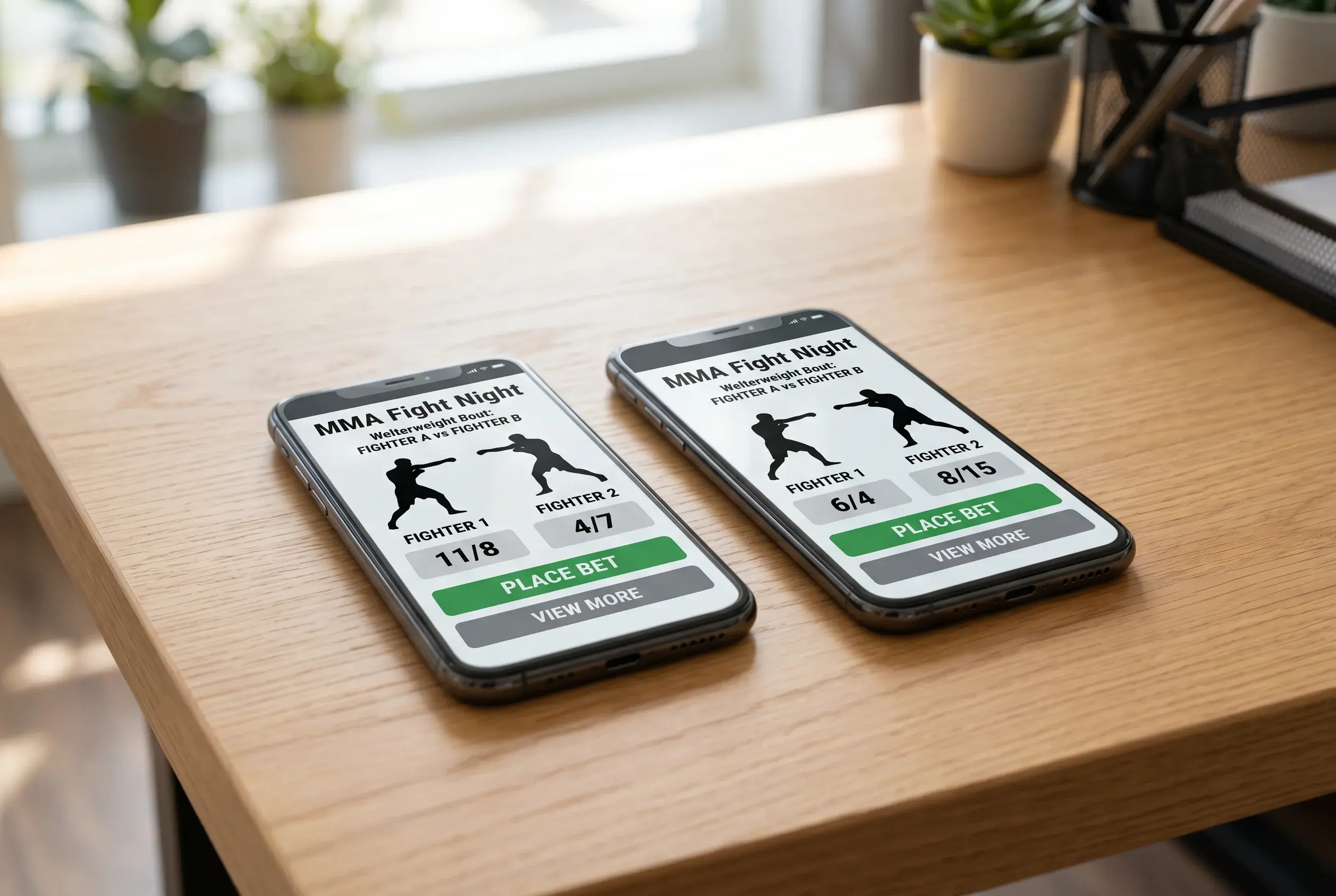
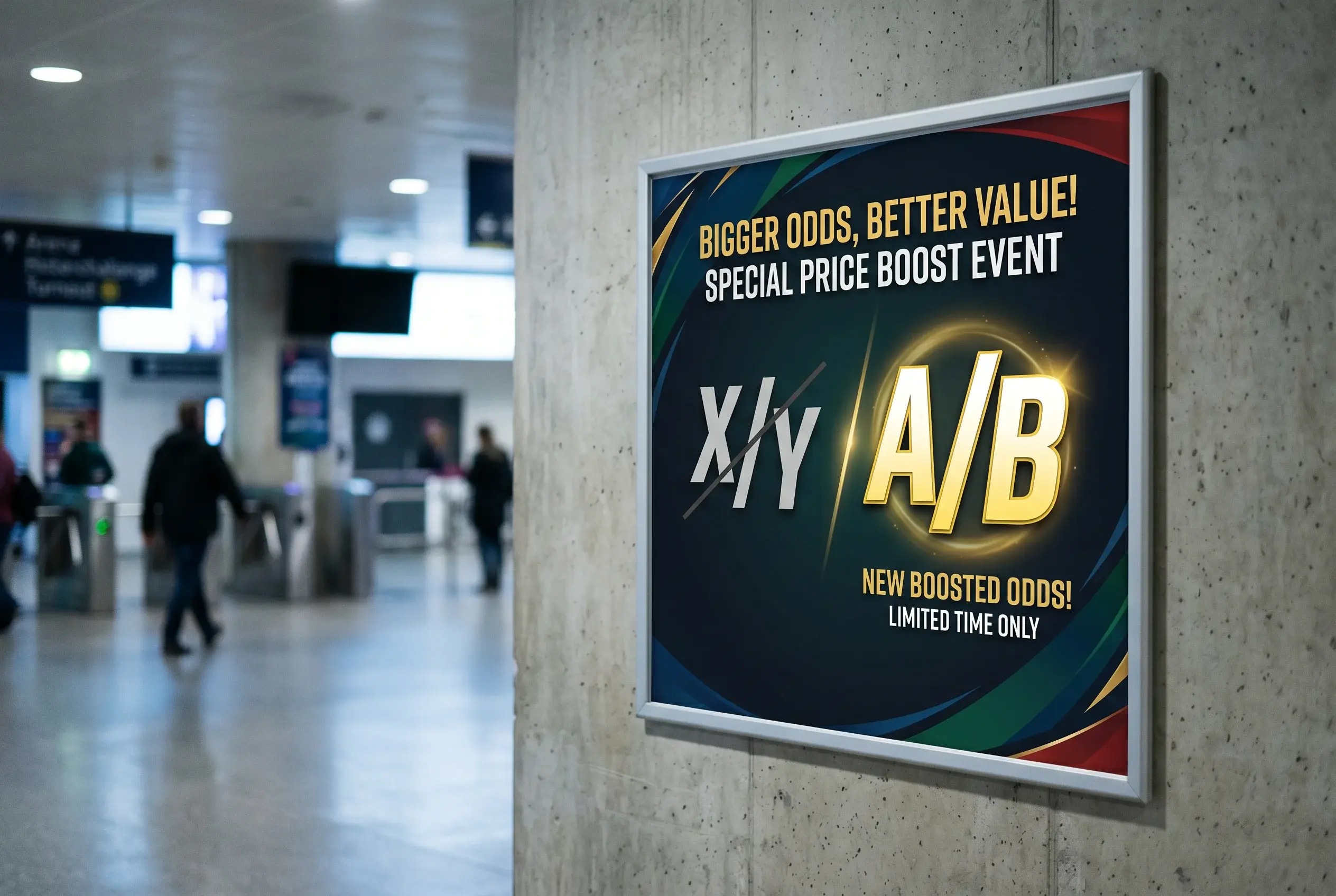
Walk past any UK sportsbook on a UFC fight week and you’ll see them: brightly framed promotional tiles offering “boosted” odds on the main event. Fighter A was 4/5, now boosted to evens. Three-leg builder was 7/2, now boosted to 9/2. The pitch is straightforward – same bet, better price, courtesy of the operator. Free upgrade. Click the green button.
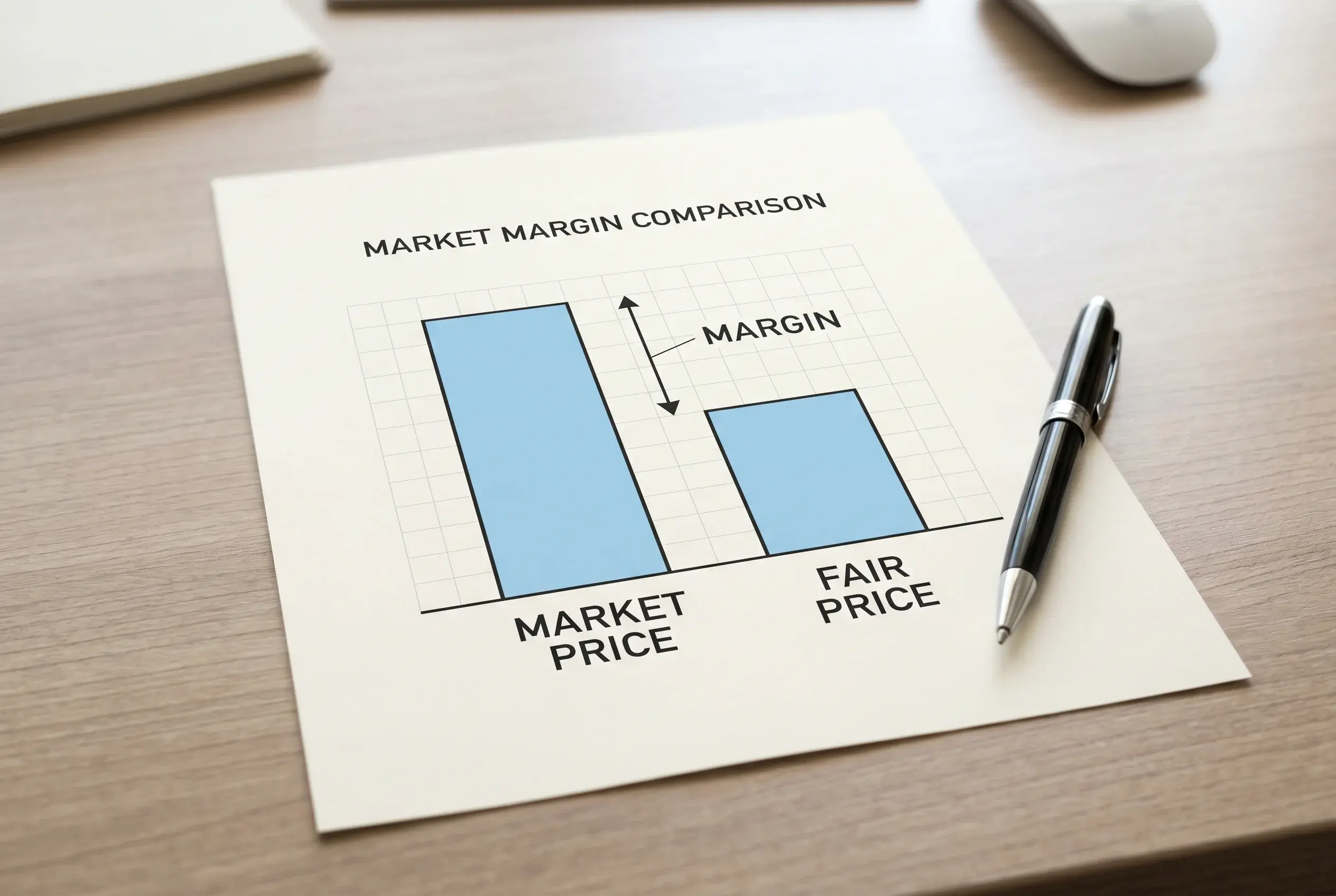
What the tile doesn’t show you is what the price was at any other UK book. It doesn’t show what the market consensus implied probability was when the boost was applied. It doesn’t show whether the boost is enhancing a sharp price or padding a poor one. The boost is true – the price displayed is genuinely better than the price the same operator was offering an hour earlier – but “better than this operator’s old price” is not the same as “good price by market standards”.
This piece is about how UFC price boosts and enhanced odds actually work, what kinds of boosts are genuinely value-positive, the economics from the book’s side that explain why they exist at all, and how the 2025 marketing consent rules under UKGC have changed how boosts can be advertised to UK punters. Knowing how to read a boost is one of the highest-return small skills in UFC betting.
What a price boost actually is mechanically
A price boost is when an operator raises the displayed odds on a specific selection above their normal model price, usually for promotional purposes. The book takes a temporary loss of margin on the boosted price in exchange for the marketing benefit – getting punters to engage with their product, attracting volume on a specific fight, retaining customers who might otherwise bet elsewhere.
The selection that gets boosted is typically a specific bet with marketable appeal. A favourite Moneyline gets boosted ahead of a big main event. A two- or three-leg builder gets boosted. A long-shot KO of the Night prop gets boosted. The selections are chosen because they’re easy to communicate (“Aspinall to win + KO/TKO + Round 1, was 6/1 now boosted to 8/1”) and because they create a visible-value pitch.
The boost is usually time-limited and stake-capped. Common parameters: available for the first £5 stake per customer, available only for the next 24 hours, limited to one bet per account. The constraints exist because the operator can’t run a permanent loss-leader – the boost is a customer-acquisition cost, not a market position. Punters who try to abuse boosts by staking heavy on every available promotion quickly find themselves limited.
The third structural detail: boosted prices don’t always replace the original price across the entire site. Sometimes the boost appears on a promotional page while the main fight market still shows the original price. Punters who don’t navigate through the promotion don’t see the boost. The marketing relies on you noticing the offer.
Single-fight boosts versus parlay boosts
UK price boosts fall into two main categories and they have very different economics.
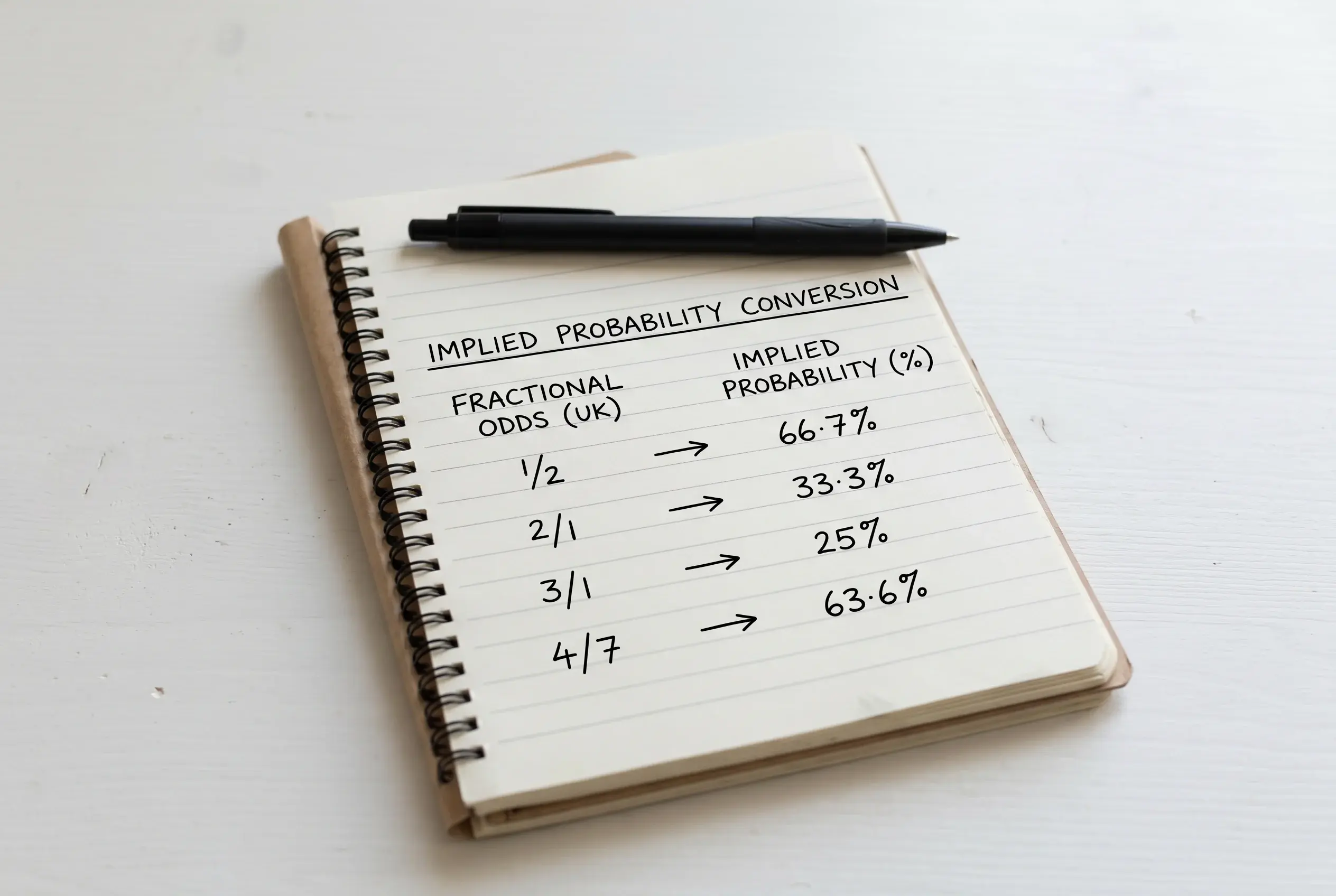
Single-fight boosts apply to a single Moneyline or single MoV selection. They’re the cleanest kind to evaluate. If the underlying price was 4/5 and the boost raises it to evens, the implied probability has shifted from 55.6% to 50%. If you think the real probability is somewhere in between – say 53% – the boosted price represents positive expected value while the unboosted price represented negative. Worth taking. If you think the real probability is 45%, the boost still represents a bad bet at evens, just less bad than 4/5.
Parlay boosts apply to multi-leg accumulators, typically requiring you to combine specific selections to qualify for the enhanced price. A “treble boost” might offer 7/2 instead of 11/4 on a specified three-leg parlay across the night’s main card. The enhanced price looks better but the underlying probability of all three legs landing might be only 18-20%, while 7/2 implies 22.2%. The boost can still be value-positive, but you’re paying for the value through the higher hit-rate requirement.
Parlay boosts have a marketing trick built in: they look proportionally bigger than single-fight boosts because the base prices are longer. Boosting from 11/4 to 7/2 is a 27% payout improvement; boosting from 4/5 to evens is only 25%. The headline number looks better even when the underlying value question is harder to answer. Parlay boosts also lock you into specific selections rather than letting you build your own – which means you’re being told which legs to back rather than constructing the wager around your own opinion.
The cleanest parlay boosts are ones where you’d have backed the legs anyway and the operator is enhancing the price you would have got. The least useful are ones where the legs are arbitrary marketing choices that bear no relationship to your actual reads.
Boost economics from the operator’s side
Worth understanding why the books offer these at all, because the answer affects how you should read them.
The primary purpose is customer acquisition and retention. A new punter who signs up specifically because of a boosted offer becomes a long-term customer worth substantially more than the cost of the boost. An existing customer who bets a boosted price instead of going to a competitor is retained at a discount. The mathematics of operator economics is built around lifetime customer value, not single-bet margin.
The secondary purpose is volume balancing. A book holding too much exposure on Fighter B might boost the price on Fighter A specifically to attract balancing volume. The boost looks like generosity from the customer’s side but it’s a positional adjustment from the trader’s side – the operator wants money on Fighter A and is willing to pay for it through enhanced odds.
The third purpose is competitive positioning. Major UK operators use boost programmes as a way to signal “we offer better value than competitors”. The advertising effect on perception matters even when the actual long-term value isn’t significantly better – many punters remember the boost they took on a winner and forget the boosts they took on losers, which creates a customer impression that the operator offers value beyond what the data supports.
For sharp punters, understanding the operator’s motivation matters because it tells you which boosts are most likely to be genuinely value-positive. Volume-balancing boosts (raising the price on a side the book wants more action on) tend to be the best value because the book is paying for positional balance, not just for marketing. Acquisition boosts (offered to new customers) are heavily stake-capped but often very value-positive on the small stake allowed.
Evaluating a boost fairly without falling for the framing
The practical workflow for evaluating a UFC price boost takes about 60 seconds and saves you from the most common boost trap.
Step one: ignore the “was” price. The original price the operator displays isn’t the comparison that matters. The comparison that matters is the boosted price versus the best non-boosted price available at any other UK operator. If the boost raises the price from 4/5 to evens but the same selection is available at 5/6 elsewhere, the boost is genuinely value-positive. If the boost raises 4/5 to evens but the same selection is already at 11/10 elsewhere, the boost is still worse than the alternative.
Step two: convert to implied probability. Compare the boosted implied probability to your own estimate of the real probability. If the boost gives you better odds than your estimate, the bet is value-positive. If not, the boost is just lipstick on a worse bet.
Step three: check the constraints. Maximum stake, qualifying conditions, time limits. A boost limited to £5 stake on a 50% probability shift is genuinely good value but only on £5 – staking more at the underlying base price isn’t value-positive just because the first £5 was. The constraint is a hard cap on the value the boost provides.
Step four: read the small print on parlay boosts. The legs are usually specified – Fighter A to win and Round 1 finish, for example. You don’t get to substitute. If you’d have chosen Round 2 anyway, the boost forces you to bet Round 1, which might be worse value for your specific read even at the enhanced price.
The 2025 marketing consent changes and what they mean for boosts
The UKGC introduced new direct-marketing rules in May 2025 that affect how operators can advertise price boosts to existing customers. The core requirement: customers must give consent per product (casino, bingo, betting) and per channel (SMS, email) for the operator to send direct marketing. The marketing of boosts can no longer rely on universal default-opt-in lists.
The practical effect on UFC bettors: if you’ve opted out of marketing communications from a specific operator, you no longer receive the boost notifications you used to get. The boosts still exist on the operator’s site, but you have to navigate there yourself to find them. For punters who actively want to know about boosts, this means checking the promotions page rather than relying on email and SMS alerts.
The flip side: opt-in consent has improved the average quality of the boosts reaching engaged customers. Operators that previously pushed boosts to large lists indiscriminately now target promotional offers more carefully, and the offers tend to be more value-positive on average because the audience is qualified rather than blanket-served.
The third effect, which affects newer punters less, is consent for cross-product marketing. A betting customer who hasn’t opted in to casino marketing no longer receives casino-promotional content alongside UFC boost emails. The boosts arrive in a cleaner context, which makes them easier to evaluate without the marketing overload.
The boosts to take and the boosts to skip
After years of working through UK operator promotions, the pattern of which boosts to take and which to skip has stabilised in my own betting.
Take: single-Moneyline boosts on selections you’d have bet anyway at the base price. The boost adds free expected value to a decision you’d already made. The only constraint is stake cap, and on Moneyline bets you’d have made anyway, the cap is the only relevant filter.
Take cautiously: parlay boosts where two out of three legs match your independent opinion. The third leg is the cost of the boost – you’re being forced into a selection you might not otherwise have chosen, in exchange for an enhanced price on the package. Whether the trade is worth it depends on your read on the third leg.
Skip: parlay boosts where none of the legs match your independent opinion. You’re being told which bets to make in exchange for marketing-enhanced odds, and the enhancement rarely overcomes the value cost of betting selections you’d otherwise have skipped. The same logic applies when you build the parlay yourself – understanding how the bet builder market handles correlated legs is what separates a structured multi from a marketing-driven one.
Skip: long-shot prop boosts on selections where the underlying probability is genuinely unknown. A boost from 25/1 to 33/1 on “fighter to win in under 60 seconds by submission” doesn’t tell you much because the underlying probability might be 1% or might be 5%. The enhanced price still might not match the true probability.
Skip: boosts that require additional product engagement. Some UK operators tie boost qualification to placing bets on other products – slots, casino, virtual sports. The boost is then a customer-acquisition cross-promotion tool, and the value of the boost has to offset the negative expected value of the other product.